

As an Amazon Associate, we earn from qualifying purchases. We may also earn a commission from other retailers linked on this page, at no extra cost to you.
Introduction: Why Rolex Case Size Is More Than a Number
Choosing a Rolex by diameter alone can leave important questions unanswered. A listed measurement may help you compare watches, but it does not by itself settle how a particular case will suit your wrist, your clothing, or your preferences. The useful question is not simply which size is largest or smallest, but which combination of proportions and purpose makes sense for you.
This Rolex case size guide begins with diameter as a reference point, then treats the watch as a complete object. Compare the dimensions that are published for each model, consider how the case is shaped, and look at the relationship between the case, bracelet or strap, and wrist. If a relevant measurement is not published, it should not be estimated from diameter alone.
Wrist circumference can be a useful starting record when comparing options, but it is not the only consideration in a buying decision. Note how far the watch appears to extend across the wrist, how its profile fits beneath a cuff, and whether the overall design feels balanced to you. These are practical observations to make when assessing a specific model rather than conclusions that can be drawn from one number.
Your intended use should guide the comparison as well. A buyer looking for a restrained everyday presence may reach a different conclusion from someone choosing a watch for a more pronounced design character. The model itself also matters: the proportions and visual identity of a particular Rolex can be more important than a small difference in stated diameter.
The sections ahead use that approach to organize the decision. Start with the published dimensions, compare the proportions as a group, consider how and where you expect to wear the watch, and then weigh those observations against your buying priorities. Case size is an important reference, but the best fit is determined by the complete watch and the way you want it to function in your collection.
Quick Answer: Start With Proportion, Then Check Diameter
Quick Answer: Start With Proportion, Then Check Diameter
Use this Rolex case size guide as a starting framework, not a fixed formula. Begin by considering the overall proportion you want on the wrist, then compare the published case diameter with the rest of the watch’s dimensions.
Diameter alone cannot settle the question. Check the case’s full measurements, including lug-to-lug length and thickness, and consider how those dimensions relate to your wrist. If the available specifications do not include every measurement, treat the comparison as incomplete rather than assuming the watch will fit a particular way.
- Favor a smaller case if you want a more restrained presence or a less prominent visual balance.
- Favor a larger case if you prefer more wrist presence, while paying particular attention to the watch’s complete dimensions rather than its diameter in isolation.
The right choice varies with the watch, the way you want it to look, and your own preference. Case design, bezel and dial proportions, lug shape, and the bracelet or strap can all influence the overall impression, so two watches with the same stated diameter need not appear identical.
For a practical comparison, record your wrist measurement and place it alongside the watch’s published diameter, lug-to-lug length, and thickness. Use the table for an initial reference, then review those dimensions together before making a decision.
What Matters Most When Comparing Rolex Case Sizes

What Matters Most When Comparing Rolex Case Sizes
A useful Rolex case size guide treats diameter as a starting point, not a final judgment. Gather every published dimension for the models you are comparing, including case width, lug-to-lug length and thickness. If Rolex or another source does not publish a particular measurement, leave it unassigned rather than estimating it from the diameter.
Lug-to-lug length deserves close attention because it describes how far the watch extends across the wrist. Compare that figure with the part of your wrist where the case will sit. Diameter alone cannot describe the full footprint of a watch, so two cases with a similar stated width may still require different amounts of space if their length differs.
Next, examine the lugs themselves. Compact lugs can produce a more contained outline, while longer lugs can make the case occupy more visual and physical space. Their direction also matters: straight lugs and curved lugs present different outlines when viewed on the wrist. When a lug measurement or detailed description is not available, treat the form as a point for visual comparison rather than assigning it a precise fit.
Thickness adds a second dimension to the fit. Compare the published profile measurement with the case diameter and lug-to-lug length, then consider how much room you have beneath the cuffs and sleeves you normally wear. A thickness figure can help explain the case’s side profile, but it cannot by itself determine comfort or establish whether the watch will look proportionate.
The dial and bezel influence the watch’s visual balance without changing its stated case dimensions. Consider how much of the case is occupied by the dial opening and how much by the bezel. The size and placement of the hands and hour markers are also part of that composition. If a specific detail is not documented, avoid turning its appearance into a precise conclusion about scale.
Finally, assess what happens beyond the case. Inspect the transition into the bracelet or strap, including the first links or end links where they are shown, the taper toward the clasp or buckle, and the apparent relationship between the attachment and the wrist. The most useful comparison combines the available measurements with the case profile, lug shape, dial-and-bezel layout and attachment design. That broader assessment gives diameter its proper context instead of making it carry the entire decision.
Budget, Wrist Size, and Style: Matching the Watch to the Buyer
Budget, Wrist Size, and Style: Matching the Watch to the Buyer
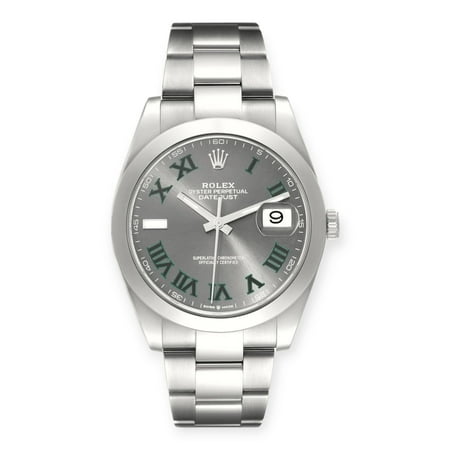
A useful Rolex case size guide should help you make a decision, not reduce fit to a number on a specification sheet. Begin with the published case diameter for the particular watch, then consider how its proportions, construction, and design may affect its presence on the wrist. If a measurement is not published, treat it as unknown rather than estimating it.
Case diameter is only one part of the fit. Case thickness, lug shape and length, bracelet construction, crystal type, and the relationship between the case and bracelet can all influence how a watch appears and feels on the wrist. Two watches with the same stated diameter may therefore have different visual proportions. The available information may not include every dimension, so the buyer should separate confirmed specifications from details that still need to be checked.
Vintage Submariners illustrate why the complete watch matters. The 5512 is described with an approximately 40mm case, beveled lugs, crown guards, a 7mm crown, a hashmarked bezel, a 200-meter depth rating, and Mercedes hands. The 5508 is described as having a slimmer case and a crown rated to 100 meters of water resistance. The covered vintage Submariners are also described as using acrylic crystals. These differences are useful when comparing examples, but they do not determine how either watch will suit every wrist.
Historical details can clarify what separates related models, especially when the purchase is also a collecting decision. The Submariner was introduced in 1953. The 5508 was the last Submariner made without crown guards on the right side, while the 5512, introduced in 1959, marked the point at which the Submariner became more like the modern watch. That context may influence which era or design language appeals to a buyer, but it does not replace an assessment of the individual watch, its dimensions, and the wearer’s preferences.
Match the watch to its intended use
Think about the situations in which the watch will be worn. For formal clothing, a restrained shape may be easier to combine with the rest of the wardrobe. For casual clothing or a buyer who wants greater visual presence, a more prominent design may be preferable. These are starting points, not fixed rules. The practical test is whether the watch’s proportions and details suit the clothes and occasions in which it will actually be used.
For a watch intended to cover several settings, compare its design with the buyer’s existing wardrobe rather than choosing by diameter alone. For a collection, the decision may instead center on a particular period, configuration, or design feature. The 5508’s lack of crown guards and the 5512’s place in the model’s transition toward the modern Submariner may matter greatly to a collector. Neither detail, however, establishes affordability or guarantees a suitable fit.
Set the financial limits before comparing examples
Define the maximum acceptable spend before becoming attached to a particular watch. Then assess the individual example’s condition, documentation, servicing position, and any additional costs as separate questions. Case size does not establish price, and historical importance does not establish whether a specific example is affordable for a particular buyer. Prices, service estimates, seller policies, resale values, and current availability should be verified independently.
Buying a vintage watch also calls for care with the details that distinguish one reference or era from another. The 5512 and 5508 are not interchangeable merely because both belong to the vintage Submariner family: their described case, crown, crown-guard, and water-resistance differences should be recorded when comparing listings. The available description identifies the covered watches as vintage Submariners with four-digit reference numbers and acrylic crystals. Any specification that a seller does not publish should remain an open question rather than being inferred from the model’s reputation.
Allow for uncertainty when buying a gift
A gift purchase is more difficult when the recipient’s wrist size and taste are not known. Confirm the seller’s terms for resizing, returns, exchanges, and documentation; if those terms are not published, request them in writing. The soundest decision combines verified specifications, a clearly defined budget, and a realistic understanding of the recipient’s style. Case diameter can narrow the choices, but the final decision should also account for proportions, intended use, condition, and the specific example being offered.
Rolex Case Sizes Compared: What Each Approach Prioritizes
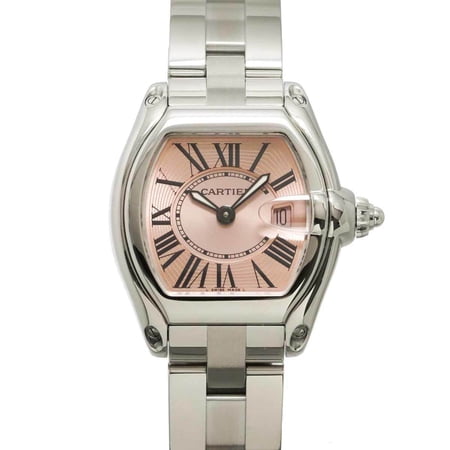
A useful Rolex case size guide is less about finding a universally correct diameter than deciding how you want a watch to occupy the wrist. A compact, mid-size, or larger approach each gives priority to a different balance of discretion, visual weight, and overall fit. The comparison below is a buying framework, not a specification table: it does not assign diameter, lug-to-lug length, thickness, or water resistance to any particular Rolex reference.
| Case-size approach | What it prioritizes | What to assess | Potential compromise | Model-specific information | Useful question |
|---|---|---|---|---|---|
| Compact | Discretion and a less conspicuous presence. | Consider whether the complete case remains within the usable surface of the wrist. The lugs, case shape, and thickness all influence the result, so a smaller-looking watch should not be judged by diameter alone. | The watch may appear visually slight on a broader or flatter wrist. Bracelet or strap length can also affect how securely and comfortably it sits. | Diameter, lug-to-lug length, thickness, and water resistance vary by reference and are not specified here. | Is a restrained appearance the main objective, and does the full case shape support it? |
| Mid-size | A measured balance between presence and restraint. | Evaluate the case as a complete shape. Pay attention to the lugs, curvature, thickness, and the crown’s position in relation to the wrist rather than treating the diameter as a standalone answer. | A moderate diameter can still wear prominently if the lugs extend far or the case has considerable thickness. | Diameter, lug-to-lug length, thickness, and water resistance vary by reference and are not specified here. | Does the watch deliver the balance you want through its overall geometry? |
| Larger | Greater visual impact and a more assertive wrist presence. | Check for overhang, crown contact, case thickness, and how the bracelet or strap follows the wrist. The complete case must be considered, not only its stated diameter. | A larger approach may be less adaptable on a smaller wrist or beneath a close-fitting cuff. More visual impact does not by itself establish a better fit. | Diameter, lug-to-lug length, thickness, and water resistance vary by reference and are not specified here. | Can the wrist accommodate the entire case, including its lugs and thickness? |
How to use the comparison
None of these approaches is automatically superior. Compact proportions place greater emphasis on discretion, larger proportions place greater emphasis on presence, and mid-size proportions aim for a middle ground without guaranteeing one. The distinction is useful when narrowing a Rolex shortlist, but it should not replace reference-specific verification.
Before choosing a particular watch, check its diameter, lug-to-lug length, thickness, and water-resistance rating through a reliable source. Lug-to-lug length deserves particular attention because it helps indicate how much of the wrist the case will occupy. Also consider the flat wrist surface available beneath the case and the way the bracelet or strap will sit.
If those measurements are unavailable, treat the fit as unresolved rather than estimating it from diameter alone. That is especially important when buying a gift or selecting a watch without first trying it on. The right question is not simply which case size sounds most appealing, but whether the complete case geometry suits the intended wrist and the desired degree of presence.
Pros and Cons of Different Rolex Case-Size Approaches
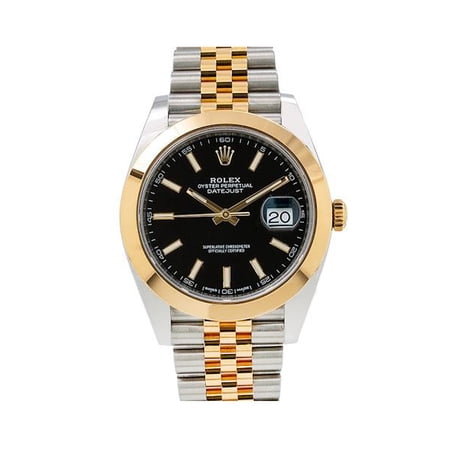
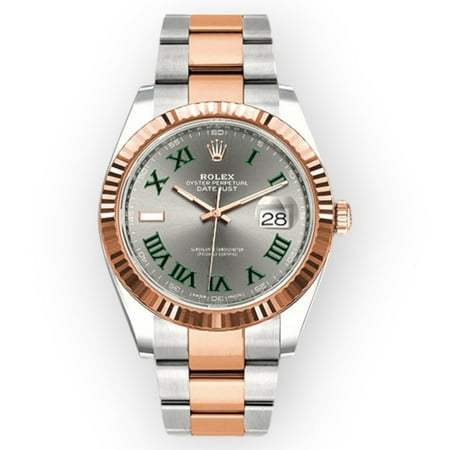
Diameter is only the first measurement to consider when comparing Rolex watches. A useful rolex case size guide should also account for the case’s thickness, crown, bezel, dial, lugs, and bracelet or strap. Those elements can alter both the watch’s visual presence and the way its proportions read on the wrist. The most suitable choice is therefore less about finding a universally correct size than about deciding which trade-off is acceptable.
Compact proportions: restraint with conditions
What they do well: A compact case can suit a buyer who prefers a quieter presence or who places particular importance on limiting thickness. Rolex’s vintage Submariner history offers a relevant example: the reference 5508 is described as having a slimmer case, while its crown was rated to 100 meters of water resistance.
Where they compromise: A smaller case may not provide the visual weight some buyers associate with a sport watch. Diameter alone also cannot establish whether the watch will look balanced. Crown size, bezel, dial, and the relationship between the case and bracelet or strap remain part of the comparison.
Larger proportions: presence and potential excess
What they do well: A larger case can be appropriate for someone seeking a stronger wrist presence. The surrounding components may be enlarged or emphasized as well, meaning that the character of the watch cannot be reduced to its diameter. The Submariner reference 6200 illustrates this point: it was the first Submariner to use an 8mm “big crown” marked “Brevet” on the outside. That larger crown offered 200 meters of water resistance, twice the rating of earlier models.
Where they compromise: Greater scale may be unsuitable for a buyer who favors a restrained result. The complete case profile matters, not just the stated diameter. In the Submariner’s early history, the 6205 received a crown enlarged from 5.3mm to 6mm and a somewhat thicker case, while the 5508 is described as having a slimmer case. These differences show why two watches should be assessed individually rather than grouped by diameter alone.
Mid-size proportions: a starting point, not a verdict
What they do well: A mid-size option can provide a useful starting point for a buyer who does not want deliberately compact or deliberately substantial proportions. It narrows the comparison without assuming that either extreme is desirable.
Where they compromise: The label “mid-size” does not guarantee comfort or visual balance. One buyer may still prefer a smaller case, while another may find that it lacks the presence they want. Compare the published case dimensions with the thickness, crown, bezel, dial, and lug arrangement instead of treating the category as a complete solution.
The historical Submariner examples make the broader principle clear. The 6200 used an 8mm crown, while the later 5508 is described as having a slimmer case; these represent different design choices rather than simple changes in diameter. When choosing among Rolex case sizes, identify the compromise that matters least to you: reduced visual weight, a more substantial presence, or a middle position that may not fully satisfy either preference.
Frequently Asked Questions About Rolex Case Sizes
What is the best Rolex case size for my wrist?
There is no universally correct Rolex case size. Start with your wrist circumference, then consider whether your wrist is relatively flat or round and how the case, lugs, dial, bezel and bracelet work together. A smaller case may look more balanced and wear more comfortably, while a larger case can provide greater visual presence. Use diameter as a starting point, not a final verdict.
How do I measure my wrist for a Rolex?
Measure your wrist where the watch will sit, using a flexible measuring tape. Keep the tape comfortably fitted rather than tight, and record the circumference. Also note whether your wrist is relatively flat or round, since two wrists with the same circumference can accommodate a case differently. Before buying, compare the watch’s case diameter and lug-to-lug length with your wrist proportions.
Is lug-to-lug more important than case diameter?
Neither measurement works well in isolation, but lug-to-lug is often the more useful check for fit. Case diameter describes the width of the case body, while lug-to-lug indicates how far the watch extends along the wrist. A case with long lugs can wear larger than its diameter suggests. Check both measurements and make sure the lugs do not extend awkwardly beyond the wrist.
What is the largest Rolex case size?
The largest case size depends on which Rolex collections and references are being compared, so a single answer can be misleading. Rolex publishes diameter by model, and case proportions vary between collections. If maximum wrist presence is your priority, compare the published diameter with lug-to-lug dimensions, bracelet or end-link shape, and the watch’s overall profile rather than relying on diameter alone.
How should I compare Rolex case sizes across collections?
Compare measurements on the same basis: case diameter, lug-to-lug length, thickness when available, and the way the bracelet or end links extend from the case. Then consider the dial and bezel, which can make a watch appear larger or smaller than its dimensions suggest. Avoid treating a diameter from one collection as directly equivalent in wrist presence to the same diameter elsewhere.
Do bracelet and end-link dimensions change how a Rolex wears?
Yes. The bracelet and end links continue the visual and physical footprint of the case, so they can affect both perceived size and how the watch sits on the wrist. A broad or extended end-link arrangement may make a watch feel larger, while a more compact transition can make the same case appear more contained. Check the full case-and-bracelet shape, not the case alone.
Final Advice: Choose the Proportion You Will Wear Comfortably
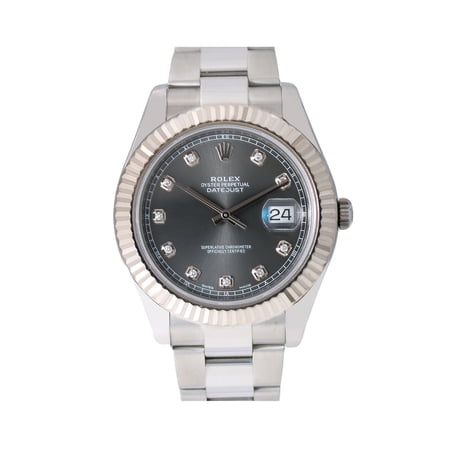
Final Advice: Choose the Proportion You Will Wear Comfortably
The practical conclusion of this Rolex case size guide is to treat dimensions as a starting point, then judge the complete watch against your wrist and your preferences. A specification can narrow the choice, but it cannot decide which proportion you will find comfortable to wear.
- Record your wrist measurements. Measure the circumference and note the shape of your wrist. For the specific watch under consideration, check the case diameter, lug-to-lug distance, and thickness. Looking at all three measurements gives you a more useful basis for assessing how the case may sit than relying on diameter alone.
- Consider the complete configuration. Review the case, bezel, dial, bracelet or strap, and overall design together. Proportion is not determined by case diameter in isolation. The same wrist may accommodate different watches differently, depending on the configuration and the setting in which you intend to wear each one.
- Check the exact reference. Do not transfer dimensions from one Rolex model or reference to another without verification. Confirm the manufacturer’s published specifications or use reliable reference-specific documentation. If a measurement is not published, treat it as unconfirmed rather than estimating it from a photograph or from another version.
- Separate fit from status. Case size should help you evaluate comfort and appearance, not rank a watch’s quality, importance, or place in Rolex history. A smaller case is not automatically less meaningful, and a larger case is not automatically the better choice; the useful question is whether the proportions suit you.
- Review the purchase terms. Before committing, confirm the reference and condition, then check how sizing is handled and whether the seller provides return or adjustment terms. These practical details deserve attention alongside the case measurements because they affect how straightforward it will be to resolve a poor fit.
Once the reference-specific dimensions and purchase conditions are clear, choose the watch whose proportions you can see yourself wearing comfortably and consistently. That is a more dependable decision rule than selecting a case size for its number alone.