

As an Amazon Associate, we earn from qualifying purchases. We may also earn a commission from other retailers linked on this page, at no extra cost to you.
How to Spot a Fake Rolex: Start With the Right Expectations
A convincing listing is not the same as convincing evidence. Photographs may leave important details unclear, and the same problem applies when you are assessing a pre-owned watch, an inherited piece, or a gift. Begin with a structured first review: examine what is shown, identify what is missing, and request evidence that allows the watch to be assessed more carefully.
Keep the purpose of this process in view. A first-pass checklist can help you decide whether a watch deserves further attention, but it cannot certify authenticity. High-quality “superfakes” may pass visual and feel checks; they usually fail inspection of the movement, which makes access to the movement decisive.
Start by considering the entire submission rather than relying on one appealing detail. The watch, its photographs, any documentation, the seller’s responses, and the transaction terms should make sense together. On modern Rolex watches, laser-etched details such as the crown in the crystal and ROLEX engraving on the rehaut can provide useful visual cross-checks when they are appropriate to the watch’s date. They remain screening points, not a substitute for examination of the movement.
If the images are incomplete, edited, or too poorly focused to support a proper review, ask for clearer photographs and relevant documentation before proceeding. Treat several inconsistencies—or an unwillingness to provide adequate evidence—as a reason to pause rather than a puzzle to rationalize. For meaningful certainty, arrange an examination by a qualified professional before payment.
Quick Answer: How to Spot a Fake Rolex
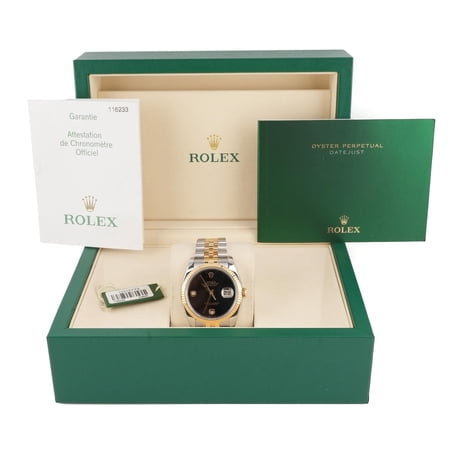
- Check that the claimed reference, case, dial, bezel, bracelet, clasp, and movement belong together. Any mismatch deserves an explanation before purchase.
- Inspect printing, applied markers, the date display, finishing, engravings, and movement details—but do not rely on one famous internet test or a single visual clue.
- Compare the watch with authoritative reference material. Request clear photographs, including serial or other identifying marks where appropriate, and paperwork with sensitive information concealed.
- Verify the seller’s identity, transaction history, return terms, and payment protections before sending funds.
- For a high-value purchase, have the watch assessed by an independent watchmaker, an appropriate Rolex service channel, or a qualified authenticator. That layered approach is more reliable than trying to determine how to spot a fake Rolex from photographs alone.
What Matters Most When Checking a Rolex

What Matters Most When Checking a Rolex
The most useful approach to how to spot a fake Rolex is to treat visual details as screening tools rather than proof. A watch can look convincing and feel correct in the hand yet still be counterfeit; high-quality “superfakes” commonly pass those checks and usually fail only when the movement is inspected. Begin with the details that can be checked without opening the case, but keep the limits of that evidence in view.
For modern Rolex watches, inspect the crystal and rehaut for the brand’s laser-etched features: a crown in the crystal and ROLEX engraving on the rehaut can provide a useful visual cross-check on watches dating from after those features were introduced. Their presence should increase confidence only as part of a broader assessment. They are screening clues, not a substitute for checking the movement, and their relevance varies with the watch’s age.
Price is another reason to pause, not a shortcut to certainty. A watch that appears correct across several cosmetic and tactile checks but is offered well below the market rate is likely counterfeit or missing its genuine movement. That warning is more useful than relying on a single reassuring detail. A low price does not explain what is inside the case, while a convincing exterior does not establish that the movement belongs there.
The decisive step is movement inspection. The available guidance advises examining the movement because examples presented as genuine may contain automatic movements from other, non-chronometer-grade Omegas. High-quality counterfeits often reveal themselves at this stage, which is why movement access matters more than a visual checklist alone. Have the case opened and the movement assessed by a qualified watchmaker or specialist rather than attempting to reach a final verdict from photographs or external impressions.
A practical order of inspection is therefore:
- Check the crystal and rehaut for the applicable laser-etched features on a modern watch.
- Consider the asking price alongside the watch’s overall presentation, treating an unusually low price as a serious warning.
- Arrange a movement inspection, which is the most consequential check in the available guidance.
Do not let one matching detail settle the question. The exterior can help identify a watch that deserves further investigation, but the movement is the point at which a plausible appearance must be tested against the watch’s claimed identity.
Budget, Size, and Style: Match the Verification to the Purchase
Budget, Size, and Style: Match the Verification to the Purchase
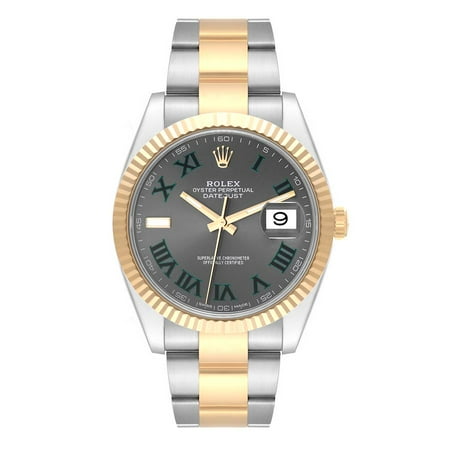
Verification should be proportionate to the decision in front of you. For an inexpensive research exercise, begin by asking the seller for clear evidence and comparing the watch with reliable material for the claimed model. A meaningful purchase deserves a higher standard: pause before final payment and arrange an independent assessment rather than relying solely on a listing, a seller’s confidence, or a watch’s appearance.
Your level of knowledge matters as well. If you can identify the relevant details for the claimed reference and period, photographs may help you form an initial view. If you cannot, treat that uncertainty as a reason to obtain outside advice—not as evidence that the watch is genuine. Visual and tactile checks can be passed by high-quality counterfeits; movement inspection is often decisive. A published warning about a fake Tudor Submariner is a useful reminder that a familiar model name does not remove the need for verification.
Do not treat an unusual configuration as an automatic counterfeit—or as proof of rarity. Ask the seller to explain why the combination exists and request documentation that supports the explanation. If the answer remains unclear, the appropriate conclusion is that the configuration is unverified. The more unusual the claim, the more important it becomes to match the watch’s details to dependable information for its stated reference and period.
Choose the evidence before you choose the watch
For an online purchase, request recent, well-lit photographs made specifically for the listing. Ask for views of the dial, case, bracelet, clasp, and any other areas relevant to the claim. Request readable images of accompanying records rather than accepting a general statement that papers exist. A movement image can be valuable, but the watch should be opened by someone qualified; do not create avoidable risk by asking an unqualified seller to remove the caseback. The absence of coherent evidence does not establish that a watch is fake, but it is a sensible point at which to stop and reassess.
At an in-person viewing, inspect the watch under neutral lighting and compare it with reliable reference material. A polished setting and persuasive sales presentation are not authentication. If you still cannot explain what you are seeing, step away and seek an independent assessment. That is a more reliable route to learning how to spot a fake Rolex than trying to resolve every doubt at the point of sale.
Gifts and inherited watches call for patience rather than purchase-decision pressure. Keep associated records, document the watch as found, and seek professional advice before polishing, modifying, or opening it unnecessarily. Preserving its condition and existing information gives an assessor more to work with and avoids turning an uncertain watch into a damaged one.
Which Authentication Checks Are Most Reliable?
Which Authentication Checks Are Most Reliable?
Authentication methods do not all carry the same evidentiary weight. Visual and tactile checks can screen a watch for obvious concerns, while a movement inspection provides stronger evidence when the watch is in question. High-quality “superfakes” commonly pass visual and feel checks but usually fail inspection of the movement.
| Check | What it can show | Limitations | Appropriate use |
|---|---|---|---|
| Visual and tactile inspection | It can identify obvious inconsistencies and provide an efficient first screen. Laser-etched details, including the crown in the crystal and ROLEX engraving on the rehaut, provide an additional visual cross-check on modern Rolex watches for which those features are relevant. | A high-quality superfake may pass visual and feel checks, so neither method should be treated as conclusive. | Use this stage to decide whether the watch warrants further investigation, not to establish authenticity on its own. |
| Reference photographs and listing details | Photographs and the seller’s listing can support an initial visual review and highlight details that require closer examination. Laser-etched features can also serve as a visual cross-check on modern Rolex watches after their introduction. | This remains a remote, appearance-based assessment. A convincing counterfeit may pass that level of review. | Use the listing as a preliminary screen before seeking access to the watch and its movement. |
| Movement access | Access to the movement makes the more probative inspection possible. The source material advises examining the movement when assessing questionable watches. The movement is also the stage at which high-quality superfakes usually fail. | Without access, this part of the assessment cannot be performed. The visual impression therefore remains incomplete rather than becoming proof of authenticity. | Treat a refusal or lack of access as a reason to pause the purchase and seek a proper examination, rather than as evidence that the watch is genuine. |
| Movement inspection | It can show whether the movement is consistent with the watch being presented. The source material specifically notes that movements in the examples discussed may be automatic movements from other, non-chronometer Omegas rather than chronometer-grade examples. | The inspection requires access to the movement, and the available source material does not establish a universal visual test that applies to every Rolex model. | Give this check greater weight than appearance alone, particularly when visual checks have produced a convincing result but doubt remains. |
For anyone learning how to spot a fake Rolex, the sensible sequence is to begin with photographs, listing details, and visual or tactile screening, then prioritize movement access. The source material’s advice is direct: examine the movement when assessing questionable watches. A watch that looks correct may justify proceeding to that examination, but the appearance does not replace it. High-quality superfakes commonly pass the first level and usually fail when the movement is inspected, which is why movement evidence deserves the greatest weight in this comparison.
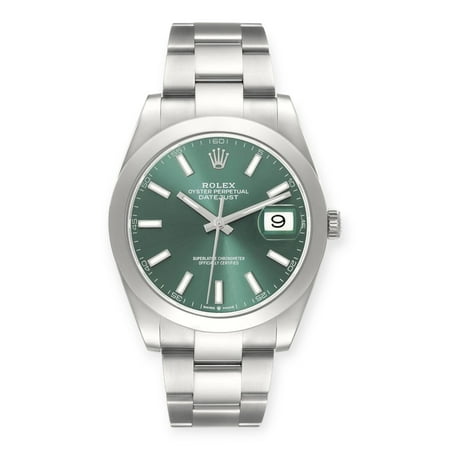
Pros and Cons of Each Authentication Approach
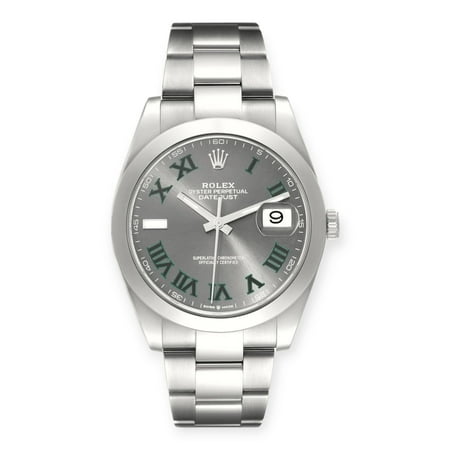
Pros and Cons of Each Authentication Approach
No authentication method answers every question. External checks can help screen a watch, while movement inspection addresses the part of the watch that visual examination cannot reach. That distinction matters when learning how to spot a fake Rolex: a plausible case and dial are not, by themselves, a complete authentication.
Visual and tactile inspection
- Advantage: Checking the visible and tactile details provides a practical first filter. On modern Rolex watches, laser-etched micro-features—including the crown in the crystal and the ROLEX engraving on the rehaut—can serve as visual cross-checks for watches dated after those features were introduced.
- Limitation: High-quality “superfakes” can pass visual and feel checks. A watch that appears convincing externally therefore may still require further examination.
- Best use: Treat this approach as screening rather than a final verdict. It can identify reasons for concern, but a clean external impression does not settle what is inside the case.
Comparison with known examples
- Advantage: Comparing the watch with reliable examples can make external inconsistencies easier to notice. It is particularly useful when used alongside the available technical evidence rather than as a substitute for it.
- Limitation: Superficial similarity remains an incomplete test because a counterfeit can reproduce the appearance and feel of a genuine watch.
Movement inspection
- Advantage: Examining the movement tests a part of the watch that external checks cannot assess. The research advises examining the movement because examples discussed in the source may contain automatic movements from other, non-chronometer-grade Omegas rather than the expected mechanism.
- Limitation: Access to the movement is required, and the movement must be interpreted correctly. The mere presence of an automatic movement does not establish authenticity; its construction and consistency with the watch being presented still matter.
- Practical implication: Movement inspection is the more decisive stage when authenticity remains in doubt, while visual checks are best used as an initial filter. High-quality superfakes may pass the latter but usually fail inspection of the movement.
The most sensible approach is therefore layered: begin with external and tactile checks, compare the watch with known examples, and give greater weight to movement evidence when it is available. A low asking price can also be a warning sign, since a watch that looks right across several cosmetic checks but is offered well below market rate may be counterfeit or lack the genuine movement.
Frequently Asked Questions About Fake Rolex Watches
What is the fastest reliable way to screen a Rolex listing before contacting the seller?
Start with the claimed configuration and provenance. Check whether the reference, model name, case, dial, bezel, bracelet, clasp, and movement are presented as a coherent combination. Then review clear photographs for inconsistencies in printing, markers, date display, finishing, and proportions. This is only a first-pass screen: a convincing listing or photograph cannot establish authenticity on its own.
Which details should be checked on the dial, hands, date display, bezel, case, bracelet, and clasp?
Look for consistent printing, applied markers, hand shapes, date alignment, bezel details, case finishing, bracelet construction, and clasp markings. Compare the whole configuration with reputable reference material rather than judging one detail in isolation. The key question is whether these parts belong together. Any mismatch should have a credible explanation, such as a documented replacement or service history, before you proceed.
Can a fake Rolex pass a visual inspection or look genuine in photographs?
Yes. Photographs can help identify obvious inconsistencies, but they cannot reliably confirm authenticity. Image quality, angles, lighting, and incomplete views may conceal important details, while a well-made counterfeit can appear convincing. Treat visual inspection as a non-invasive screening step and combine it with provenance, documents, seller checks, and—when the purchase warrants it—an examination by a qualified independent professional.
Are box and papers enough to prove authenticity?
No. Box and papers support a watch’s story, but they do not prove that the watch itself is genuine or that the components belong together. Assess the documents alongside ownership history, purchase or service records, and the physical watch. A coherent record is useful evidence, but the strongest assessment combines provenance, configuration, detailed inspection, and independent authentication where appropriate.
Should a buyer inspect the movement, and who should open the watch?
Movement inspection can provide important evidence, but opening a potentially genuine watch carries risks and should not be treated as a casual DIY check. Have the watch opened only by a qualified watchmaker or other appropriate independent professional who can examine it without causing damage. For a substantial purchase, movement evidence is most useful when considered with the exterior, provenance, and documents.
What seller and transaction checks reduce counterfeit risk, and what should you do if the watch fails a check?
Ask for a coherent ownership and service history, clear photographs, and a straightforward explanation for any replacement parts or documentation gaps. Do not proceed while a significant mismatch remains unresolved. Pause the transaction, preserve the listing and messages, and seek independent authentication before paying or handing over the watch. Avoid opening or altering it yourself, since unnecessary handling can damage a genuine example.
Final Advice: Slow Down and Verify the Whole Story
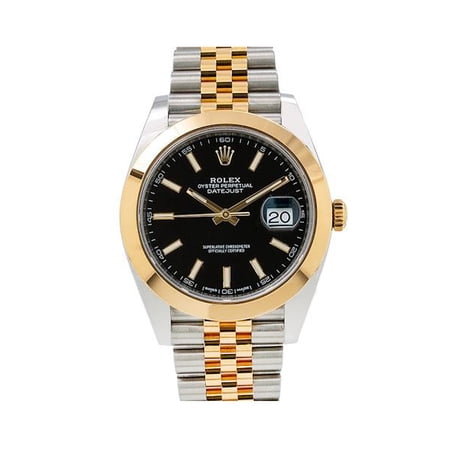
To spot a fake Rolex responsibly, use the same four-part check every time: compare the claimed watch configuration, examine its physical details, review its provenance and documents, and assess the seller and transaction protections. The point is not to find one dramatic flaw; it is to decide whether the entire story is coherent.
Any mismatch should be a reason to pause, not an invitation to rationalize the purchase. Do not open, polish, modify, or resell a questionable watch before obtaining qualified advice; those actions can complicate assessment and affect its condition. For an expensive purchase, make independent authentication a condition of completing the transaction. If the seller will not allow that safeguard, walk away. A careful process costs less than explaining an avoidable mistake later.