

As an Amazon Associate, we earn from qualifying purchases. We may also earn a commission from other retailers linked on this page, at no extra cost to you.
The short answer in the rolex sea dweller vs submariner debate is straightforward: the Submariner is the more versatile choice for most owners. The Sea-Dweller makes more sense for readers who value greater professional-diving capability, a more substantial case, and a deeper tool-watch history.
That distinction has a practical foundation. Introduced in 1967 as an evolution of the Submariner reference 5513, the Sea-Dweller was developed for the pressure and decompression problems associated with saturation diving. Earlier Submariners could not withstand excessive depths for extended periods, while helium entering a watch during saturation dives could create damaging pressure differences during decompression. The helium escape valve addressed that problem by releasing the accumulated pressure.
This comparison focuses on purpose and heritage rather than unverified specifications. Current-production dimensions, prices, and movement details are not confirmed in the supplied research and should not be treated as facts without additional sourcing.
The Short Answer: Choose the Submariner for Versatility, the Sea-Dweller for Capability
Choose the Submariner if you want the classic Rolex dive-watch format and the stronger all-purpose choice for daily wear. That is an editorial use-case judgment, not a claim about the models’ current specifications: the Submariner’s appeal lies in its broad, familiar role rather than in solving a highly specialized technical problem.
Choose the Sea-Dweller if its saturation-diving heritage, helium escape valve, and professional-tool identity are central to the appeal. The Sea-Dweller evolved from the Submariner after earlier models proved unable to withstand excessive depths for extended periods. Its helium escape valve addresses pressure created by helium infiltration during decompression. That engineering gives the Sea-Dweller a compelling purpose, but it does not automatically make it the better everyday watch for every buyer. In the rolex sea dweller vs submariner decision, choose the tool that matches your priorities, not simply the more specialized one.
Specifications Compared: Sea-Dweller vs Submariner
The historical distinction in the rolex sea dweller vs submariner comparison is clear: Rolex introduced the Sea-Dweller in 1967 as an evolution of the Submariner reference 5513, whose resistance to prolonged extreme depth was limited. The Sea-Dweller’s defining technical addition was a helium escape valve, intended to release pressure caused by helium entering the case during saturation diving.
| Specification | Sea-Dweller |
|---|---|
| Verified origin | Introduced in 1967 as an evolution of Submariner reference 5513. |
| Helium escape valve | Adopted and used by the Sea-Dweller for helium-related pressure release. |
| Cited vintage reference | Reference 1665, including a documented COMEX example. |
| Case material | Stainless steel on the cited reference 1665 example. |
| Caliber | Automatic caliber 1520, 26 jewels, on the cited example. |
| Bracelet | Stainless steel Oyster bracelet, stamped 93150, on the cited example. |
| Case diameter | 39mm on the cited reference 1665 example. |
The auction-watch evidence should not be treated as representative of every Sea-Dweller. The cited 1665 was a COMEX-issued watch, and its dial indicated 600 meters rather than the 610 meters noted on commercial variants. That distinction matters when comparing collectible specialist examples with regular production watches.
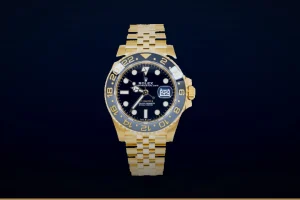
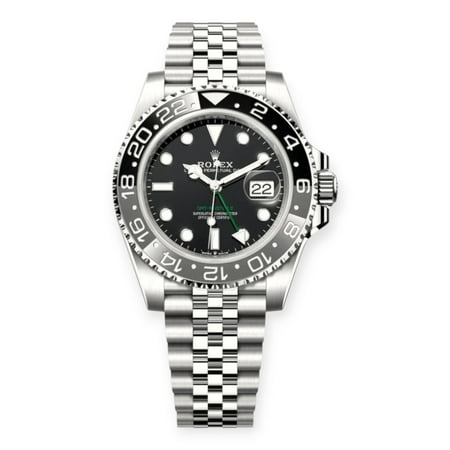
Modern water-resistance ratings, case dimensions, thicknesses, movements, and current retail prices are not independently verified in the supplied research and should therefore be listed as not confirmed before publication. The supplied comparison image can support a visual discussion of overall proportions, but it does not establish exact measurements.
Design and Wearability: Case Presence, Dial, and Bracelet
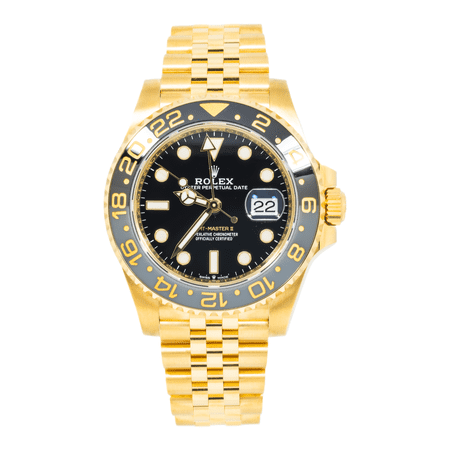
The Sea-Dweller’s visual identity comes from professional diving rather than simply from a higher depth rating. SEALAB is described as the birthplace of the model, while COMEX later became an important testing and operational partner in saturation-diving work. Early examples were purpose-built for SEALAB and carried identifying engravings connected with those programs. That history gives the Sea-Dweller a more specialized character than the familiar Submariner format, even though the two watches share a closely related design language.
A documented vintage example shows how specific that character could be. The cited COMEX Sea-Dweller has a 39mm stainless-steel case and a Rolex Oyster bracelet. Its dial uses the distinctive “rail” configuration, while the caseback carries deep milling, issue numbers, and early Rolex and COMEX logos; the inside caseback is also inscribed with the full case serial number. These are historical details of that example, not specifications or visual features to assume across every Sea-Dweller or Submariner.
The helium escape valve explains the Sea-Dweller’s professional brief. Helium can enter a watch case during saturation diving, and pressure differences during decompression can cause failures; the valve releases that accumulated pressure. It matters chiefly in saturation-diving decompression, not during ordinary recreational dives. The reported history is also more nuanced than a simple Sea-Dweller-versus-Submariner split: the valve first appeared on Submariners before being adopted and used solely by the Sea-Dweller.
For the wrist, the Submariner is generally the more familiar all-purpose dive-watch format; the Sea-Dweller’s deeper-diving brief suggests a more substantial visual and ergonomic presence. That comparison should remain model-specific. Check current product photography and verified measurements for lug-to-lug, thickness, bracelet construction, and dial layout before making a fit judgment. A buyer assessing an on-wrist result should compare those dimensions with wrist circumference and look for how far the lugs extend, rather than relying on case diameter alone.
Movement and Performance: Why the Helium Escape Valve Matters
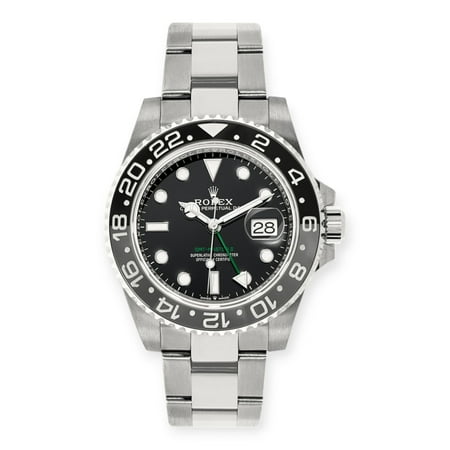
Movement and Performance: Why the Helium Escape Valve Matters
The Sea-Dweller’s purpose is easier to understand through its origins than through its depth rating alone. During the SEALAB I and II missions, diver Bob Barth wore a 1964 Rolex Submariner reference 5512, establishing a direct historical link between the Submariner platform and the watch that followed it. SEALAB is widely described as the birthplace of the Sea-Dweller.
The problem emerged during decompression. Some divers heard a loud pop as crystals exploded from their watches. Helium used in saturation-diving environments can infiltrate a watch because helium atoms are small enough to pass through seals and enter the case. During decompression, the pressure inside the case can differ from the surrounding pressure; that imbalance was identified as a leading cause of damage.
Barth proposed a one-way valve that would allow the trapped pressure to escape without compromising the case’s ability to resist pressure from outside. Introduced in the 1960s, the helium escape valve first appeared on Submariners before being adopted and used solely by the Sea-Dweller for releasing pressure caused by helium infiltration. Rolex introduced the Sea-Dweller in 1967 as an evolution of the Submariner reference 5513, which could not withstand excessive depths for extended periods.
For most owners, the practical implication is not that the Sea-Dweller has a better movement. A helium escape valve addresses a specific saturation-diving problem; it does not, by itself, establish movement superiority. Compare calibers only using current, model-specific evidence. In the rolex sea dweller vs submariner decision, the valve is best understood as evidence of the Sea-Dweller’s professional purpose—not a reason to assume broader everyday advantages.
Value, Ownership, and Servicing: Commercial Watches vs COMEX Provenance
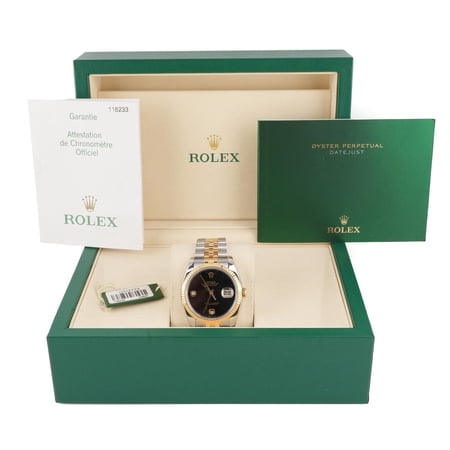
For the rolex sea dweller vs submariner decision, separate the value of a standard commercial watch from the collector premium attached to documented professional use. COMEX was founded in Marseille in 1961 and became a pioneer in deep-sea operations and offshore oil-industry diving, helping establish the Sea-Dweller’s professional identity. Rolex also collaborated with maritime specialists including COMEX.
That provenance can materially change how a vintage Sea-Dweller is assessed. A COMEX Sea-Dweller reference 16600 issued to diver Thèo Mavrostomos in 1998 carried a 2019 estimate of €80,000–120,000. A separate COMEX reference 1665, identified by issue number 2012, sold for $78,740. These are historical auction figures, not current market guarantees or useful substitutes for a present valuation.
For collectors, the premium depends on evidence rather than the COMEX name alone. Check the caseback engraving, issue number, dial configuration, serial documentation, and the consistency of those details with the reference and claimed issue history. One cited reference 1665 belonged to a batch of approximately 300 watches with issue numbers from 2,000 to 2,300. Early Sea-Dwellers associated with SEALAB also carried caseback engravings such as “SL1” and “SL2.”
Service history deserves equal attention. A Rolex International Service Guarantee and 2005 UK service receipt were cited as evidence supporting one watch’s originality. Service can preserve usability, but collectors should establish which components remain original and whether replacement parts affect the watch’s historical interest. For an ordinary commercial Submariner or Sea-Dweller, buy the condition and documentation—not an unsupported COMEX narrative.
Pros and Cons of the Sea-Dweller and Submariner

The better choice in the rolex sea dweller vs submariner comparison depends on whether you value specialist engineering or a more broadly understood dive-watch format. The Sea-Dweller’s professional identity is supported by its saturation-diving history, its helium escape valve, and Rolex’s work with professional diving organizations such as COMEX. It also attracts strong collector interest in selected vintage and COMEX-issued examples.
Strengths
- Sea-Dweller: Purpose-built for saturation-diving requirements, with a clear professional-tool lineage and distinctive technical rationale.
- Submariner: It has the more direct connection to the Sea-Dweller’s development: Rolex introduced the Sea-Dweller in 1967 as an evolution of the Submariner reference 5513. Its role as the broadly recognizable Rolex dive watch is also easier for most buyers to understand.
Trade-offs
- Sea-Dweller: Its specialist engineering may be unnecessary for ordinary daily use. Rare vintage and COMEX examples can also command substantial auction premiums.
- Submariner: The reference 5513 could not withstand excessive depths for long periods, illustrating the problem the Sea-Dweller was created to address. That limitation should not be extended to every modern Submariner without model-specific evidence.
Assess comfort, dimensions, date display, and price from the exact reference under consideration. Those details can change the practical balance between two watches with closely related but distinct histories.
Where to Buy
There are no specific product or retailer recommendations in this section. For a vintage or pre-owned example, verify the exact reference, traceable provenance, originality of the dial, hands, bezel, and movement, available service documentation, and the seller’s return terms before committing. These checks matter especially when a watch’s condition or historical significance affects its collectibility. Our Submariner buying guide covers additional points to examine when evaluating a Submariner purchase, including the relationship between originality, condition, and long-term ownership.
Frequently Asked Questions
What mechanical or design differences separate the Sea-Dweller from the Submariner?
The key documented difference is the Sea-Dweller’s helium escape valve, designed to release pressure caused by helium infiltration during decompression. Earlier Submariners could not withstand excessive depths for long periods, while the Sea-Dweller was developed to address depth- and saturation-diving demands. The available facts do not establish a complete modern specification comparison, so check the exact reference for case dimensions, water resistance, crystal, and caliber.
Why did Rolex develop the Sea-Dweller instead of simply upgrading the Submariner?
The Sea-Dweller addressed a specific problem that a conventional Submariner was not designed to solve: helium entering the case during saturation diving and creating pressure differences during decompression. Rolex therefore evolved the Submariner 5513 platform into a professional model with a helium escape valve. The distinction was functional rather than merely cosmetic: the Sea-Dweller was intended for prolonged, extreme-depth work.
What is the helium escape valve, and which model uses it?
A helium escape valve is a one-way valve that releases pressure from a watch case during decompression. Helium atoms can pass through seals, and pressure differences caused by that infiltration were identified as a leading cause of failures during decompression. The valve first appeared on Submariners in the 1960s, but it was subsequently adopted and used solely by the Sea-Dweller.
How did COMEX and SEALAB influence the development of the Sea-Dweller?
SEALAB provided the early diving context: diver Bob Barth wore a 1964 Submariner 5512 on SEALAB I and II, where decompression problems included crystals exploding from watches. He later suggested a one-way pressure-release valve. Early Sea-Dwellers reportedly carried caseback engravings such as “SL1” and “SL2” for SEALAB teams. COMEX then helped test and establish the watch as a professional tool.
Are COMEX-issued Sea-Dwellers more collectible or valuable than commercial examples?
They can be, because documented professional provenance, issue numbers, specialized dials, and original accessories add collector interest. One approximately 300-piece batch of reference 1665 watches was made for COMEX, with issue numbers from 2,000 to 2,300. Auction evidence includes a COMEX Sea-Dweller sold for $78,740 and another with a €80,000–120,000 estimate, but condition, originality, documentation, and exact reference remain decisive.
Verdict: Which Rolex Dive Watch Should You Choose?
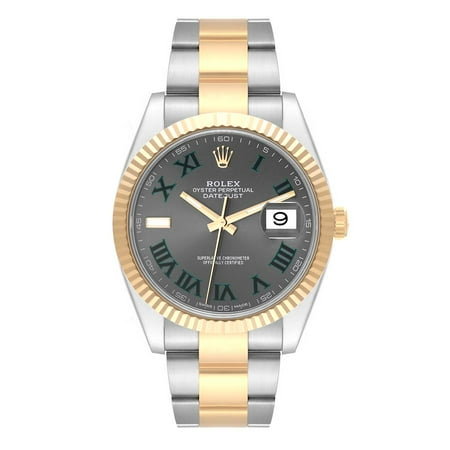
For most beginners, gift buyers, and readers seeking one versatile luxury dive watch, the Submariner is the simpler starting point—provided the exact reference, specifications, and budget suit the buyer. Its familiar format makes the decision easier without requiring a specialist interest in professional-diving equipment.
Choose the Sea-Dweller when your priorities are professional-diving history, saturation-diving technology, or distinctive vintage provenance. Rolex developed it as an evolution of the Submariner to address helium-related pressure problems during decompression, and it became associated with professional divers.
For serious vintage collectors, the collection name is only the beginning: reference, originality, condition, COMEX documentation, and credible auction evidence should carry more weight. Certain Sea-Dweller references and COMEX-issued examples command particular collector interest. When comparing current models, verify MSRP, dimensions, thickness, water resistance, and movement data before reaching a price or size verdict.
The Sea-Dweller is not merely a larger Submariner; it reflects a different engineering brief built around saturation-diving demands.