


As an Amazon Associate, we earn from qualifying purchases. We may also earn a commission from other retailers linked on this page, at no extra cost to you.
Rolex terminology combines three different ideas: how a movement is wound, how its accuracy has been certified, and the performance standard the brand associates with the completed watch. Those distinctions matter when reading specifications, comparing models, or assessing a pre-owned example.
In this framework, Perpetual should be read as a statement about the movement’s winding principle; Chronometer as a statement about accuracy certification; and Superlative as Rolex’s own performance designation. They are not interchangeable labels, and none of them, on its own, tells you the complete identity of the movement inside a particular watch.
That is the starting point for understanding Rolex movements explained clearly: separate the movement’s caliber and construction from the language used to describe its winding system and performance. The terminology can provide useful context, but it should be considered alongside the specific model, reference, production period, service history, and documentation when evaluating a watch.
The sections that follow will examine how to identify the movement in a Rolex, what each designation is intended to communicate, and how those distinctions affect ownership and collecting. They will also address why terminology on a dial, case, movement, or sales listing may not be enough by itself when researching a pre-owned watch.
The Short Version: Three Terms, Three Different Ideas
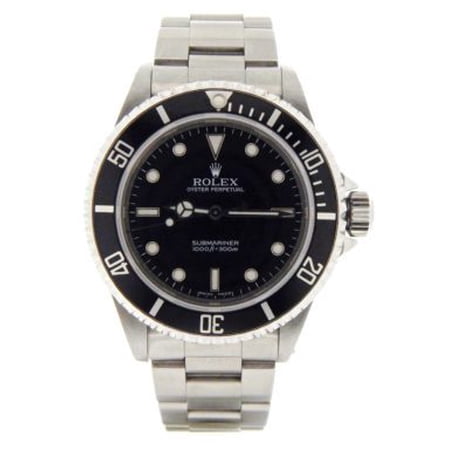
These three terms describe different aspects of a Rolex movement, rather than three interchangeable names for the same thing.
- Perpetual: refers to the movement’s self-winding principle—the way motion from wearing or moving the watch is used to wind its mainspring.
- Chronometer: refers to precision certification. The certifying organization and the applicable testing standard should be confirmed for the specific movement or watch.
- Superlative: is Rolex’s own designation for a stated level of performance. It should not be treated as a replacement for, or synonym for, the underlying chronometer certification.
That distinction is the key to understanding Rolex movements explained clearly: Perpetual describes winding architecture, while Chronometer and Superlative describe certification and performance language. The exact caliber, functions, construction, finishing, and specifications can vary by collection and generation, so the movement named for a particular watch still matters.
How a Rolex Mechanical Movement Works
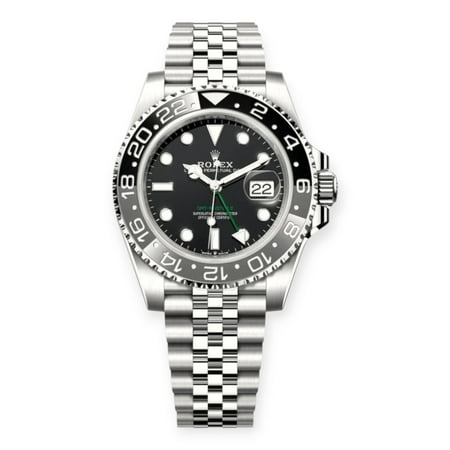
How a Rolex Mechanical Movement Works
A mechanical movement should be understood as a chain of functions rather than as a single feature. For this section of Rolex movements explained, the Rolex-specific construction, terminology, caliber assignments, and certification details require verification against authoritative sources before publication.
- Energy generation: Confirm how an automatic Rolex movement receives energy from wrist motion and how the rotor transfers that energy to the winding system.
- Energy storage: Verify the construction and role of the mainspring, including what occurs when the watch is not worn.
- Transmission: Confirm how the gear train carries energy through the movement and relates that energy to the hands.
- Rate control: Verify the construction and function of the escapement and balance-regulating system for the calibers discussed.
- Time display: Confirm which components transmit the regulated motion to the hands and whether any stated architecture applies across Rolex calibers or only to selected movements.
In general editorial terms, automatic winding should not be treated as a synonym for accuracy. The rotor, winding system, regulating organ, and certification status describe different parts of the explanation. The rotor’s construction, direction of winding, winding efficiency, and the behavior of the movement after the watch is removed from the wrist all require source verification here.
The same distinction applies to Rolex terminology. Perpetual, Chronometer, and Superlative should be presented as separate layers: the first must be defined from verified Rolex material, the second must be tied to the relevant certifying authority or test, and the third must be attributed to Rolex’s own stated standard. Their exact sequence in the article should therefore be: first explain how the movement is wound; next identify the external certification, if applicable; then explain Rolex’s additional designation and the conditions it represents.
| Term | What it describes | What a buyer should infer |
|---|---|---|
| Perpetual | Not confirmed in the supplied research. | Do not use the term as a synonym for accuracy or certification until the Rolex definition is cited. |
| Chronometer | Not confirmed in the supplied research. | Verify the applicable testing body, test procedure, and whether the certification applies to the movement or the completed watch. |
| Superlative | Not confirmed in the supplied research. | Verify Rolex’s stated performance standard and the testing conditions before drawing comparisons with certification alone. |
A caliber is the movement designation; a collection or watch model identifies the broader product in which that movement may be used. The distinction matters to collectors because one collection can contain multiple references or movement assignments, while a caliber name alone does not identify the case, dial, bracelet, complications, or production period. No Rolex caliber-to-model examples should be included until the relevant references and assignments are verified.
The resulting hierarchy is straightforward once the evidence is in place: describe the movement’s energy system, identify its regulating and display architecture, establish whether it received chronometer certification, and then explain Rolex’s Superlative designation separately. A watch may have a self-winding mechanical movement, carry chronometer certification, and bear Rolex’s Superlative designation—but those statements answer different questions and should not be collapsed into one claim.
Why These Terms Matter to Owners and Collectors
Technical language becomes useful when it is connected to a buying decision. For an owner, “Perpetual” should prompt a question about winding: is the movement self-winding, and what does the documentation say about winding it after it has stopped? “Chronometer” should prompt a different question: which organization or testing process is being referenced, and does the document state an accuracy requirement? A familiar label is a starting point, not a complete description of the caliber.
Accuracy also needs careful interpretation. A stated tolerance is a testing or performance standard, not a promise that every watch will show exactly the same daily rate in every circumstance. A listing should therefore be read alongside its date, condition, service history, and any disclosed observations. Position, magnetism, shocks, and the condition of the movement may affect the rate of a mechanical watch, but a buyer should not assume that any one factor explains a deviation without supporting evidence. If the seller provides a timing result, check when it was measured, in which positions, and whether it represents one reading or a broader assessment.
How to read the paperwork
Begin with the caliber designation, then compare it with the reference, production period, and movement photographs where available. Official documentation is preferable; a trustworthy listing should identify its source rather than relying only on a dial-side name. Look for separate language covering winding system, chronometer certification, and any brand-specific performance claim. If the listing says only “Perpetual” or “Chronometer,” treat the description as incomplete until the caliber and certification wording are confirmed.
| Question | What it helps establish | If the listing is silent |
|---|---|---|
| Which caliber is installed? | The movement identity to compare with reference-specific documentation | Request a clear movement photograph or authoritative identification |
| What does “Chronometer” refer to? | The stated testing or certification claim | Do not infer a particular test from the label alone |
| What is documented about service? | The known maintenance history and originality questions | Record it as not confirmed |
| Are timing results dated and explained? | How much weight to give an accuracy observation | Do not treat an undated number as a guarantee |
Movement generation matters when comparing older and newer Rolex watches because the caliber—not simply the name printed on the dial—determines which technical details need to be verified. Depending on the comparison, those details may include architecture, power reserve, materials, or regulation. Do not assume that a later generation is interchangeable with an earlier one, or that two watches sharing a collection name contain the same movement. Confirm each point against period-correct documentation.
For collectors, originality and provenance deserve equal attention. Correct movement identification can support a watch’s historical context, while service records may clarify which components have been replaced or altered; neither should be inferred from a dial alone. A watch can retain a familiar brand name while presenting unanswered questions about its caliber, parts, or prior work. That is why “rolex movements explained” is ultimately a collecting exercise as much as a vocabulary lesson: identify the movement, separate certification from marketing language, and record what is known from what remains unverified.
Prices and availability are accurate as of the date/time indicated and are subject to change.
Prices and availability are accurate as of the date/time indicated and are subject to change.
Prices and availability are accurate as of the date/time indicated and are subject to change.

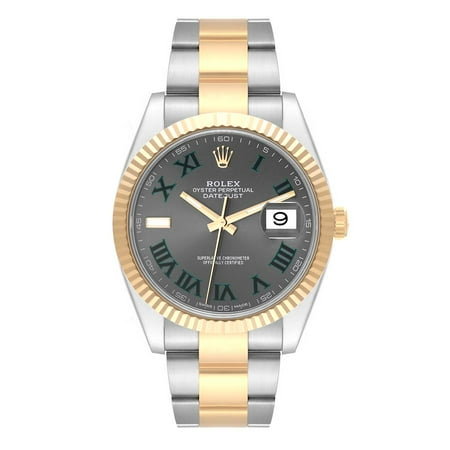
Common Misconceptions About Rolex Movements
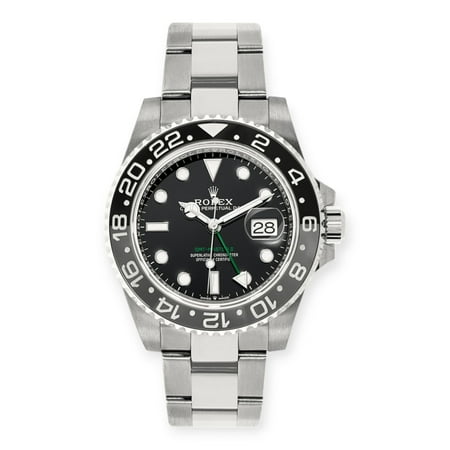
Clear terminology matters because sales listings often compress several different ideas into one phrase. In this part of rolex movements explained, each claim about winding, certification, performance, or construction should be checked against an authoritative source before it is used to describe a specific watch.
Strengths of careful terminology
- It prevents “Perpetual” from being treated as a claim that a watch runs forever without winding or wear. The precise meaning must be stated from the relevant source.
- It keeps “Chronometer” separate from descriptions of a movement as automatic, mechanical, or luxurious. Those terms should not be used as interchangeable labels.
- It avoids presenting “Superlative Chronometer” as a generic industry expression or as evidence that every Rolex movement shares identical specifications.
A technical comparison also needs more than the brand name. The caliber, complications, collection, and production period should be identified before drawing conclusions about construction, finishing, performance, or collector significance. A statement attached to one movement or period should not automatically be transferred to another.
Trade-offs and buying cautions
- A certification statement describes the standard or status being claimed in its original context; it should not be treated as a guarantee that a particular pre-owned watch is still operating within that original standard.
- Short sales descriptions are convenient, but they can obscure the exact movement and the date or context to which a technical statement applies.
For collectors and buyers, the practical rule is simple: ask which caliber is present, which certification is being referenced, and whether the statement concerns the movement when certified or the watch as it exists today. Without those details, a listing may use familiar Rolex language without providing enough information for a meaningful technical comparison.
Frequently Asked Questions About Rolex Movements
What does Perpetual mean on a Rolex watch?
“Perpetual” refers to the movement’s self-winding principle. A rotor winds the mainspring as the watch moves with the wearer, so the movement can continue running while it is worn. It does not describe the watch’s accuracy, certification, or power reserve. For a specific model, check the reference details and Rolex documentation to confirm the caliber and winding system.
What is the difference between a Rolex Chronometer and a Superlative Chronometer?
Chronometer refers to a movement that has passed an accuracy certification process. Superlative Chronometer describes Rolex’s performance standard for the completed watch, combining the certified movement with additional brand testing. The terms therefore address related but different stages: Chronometer concerns movement certification, while Superlative Chronometer concerns the finished watch’s stated performance standard.
What movement does a Rolex have?
A Rolex uses a mechanical movement, and the brand’s Perpetual terminology indicates automatic winding in the relevant watches. The exact caliber depends on the model and reference; Rolex does not use one universal movement across its collection. Buyers should check the official model information or the watch’s documentation rather than infer the caliber from the Rolex name alone.
How does a Rolex automatic movement work?
A Rolex automatic movement converts the motion of the wearer into winding energy. A rotor moves as the watch changes position, winding the mainspring; the stored energy is then released through the movement’s regulating and timekeeping system. If the watch is not worn, it will eventually stop once its available energy is exhausted. The precise mechanism and specifications vary by caliber.
What are the different Rolex movements?
Rolex movements differ by caliber and by the model for which they were designed. The most useful distinction is not a single list of generic “Rolex movements,” but the separation between winding method, caliber construction, certification, and performance designation. “Perpetual,” “Chronometer,” and “Superlative Chronometer” describe different aspects of that system, so buyers should identify the exact reference and caliber.
How should buyers verify a Rolex caliber in a pre-owned watch?
Start with the exact model reference, then compare the claimed caliber with reliable Rolex documentation for that reference. Check the paperwork, service records, and movement identification where available, and ask an authorized service center or qualified watchmaker to verify the watch if the details conflict. A listing’s use of “Perpetual,” “Chronometer,” or “Superlative Chronometer” alone does not establish the exact caliber.
Key Takeaways: Read the Movement Language Correctly
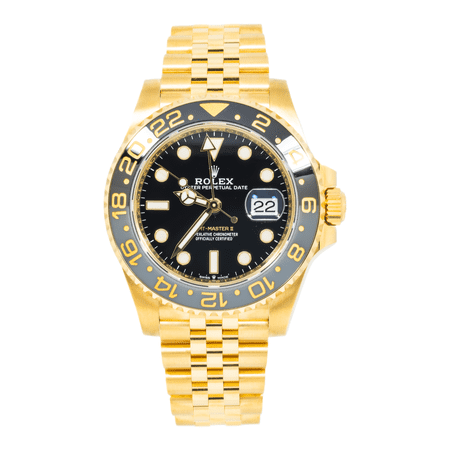
The most useful way to read Rolex movement terminology is to separate the labels by function. Perpetual refers to automatic winding: the movement is designed to wind itself through the motion of the wearer. Chronometer refers to precision certification, not to the winding system. Superlative is Rolex’s own performance designation and should be read according to the wording and context of the relevant documentation, rather than treated as a universal technical specification.
That distinction prevents a common shortcut in discussions of Rolex movements explained for collectors: one label cannot describe the entire caliber. A movement may be automatic, certified for precision, and identified by Rolex as meeting its stated performance standard, but those descriptions answer different questions. They do not replace the caliber number or the technical information associated with it.
The caliber remains essential because details can differ between movements and across generations. For that reason, terminology printed on a dial, case, or sales listing is only the beginning of the research. The exact model and caliber should be confirmed through reliable documentation, particularly when comparing watches that appear similar or when assessing an older example.
For a purchase or collection decision, use a simple verification process:
- Identify the exact model, rather than relying on a collection name alone.
- Confirm the caliber and check the movement information against appropriate reference material.
- Review the documentation, including any available service records and certification material.
- Assess condition and service context, since the meaning of a movement label does not by itself establish the present state or history of a watch.
The practical takeaway is straightforward: read Perpetual as a winding description, Chronometer as a precision-certification term, and Superlative as Rolex’s stated performance designation. Then move to the caliber and the individual watch. That approach preserves the useful meaning of Rolex’s language without allowing one familiar word to carry more information than it can support.


