


As an Amazon Associate, we earn from qualifying purchases. We may also earn a commission from other retailers linked on this page, at no extra cost to you.
Buying a Rolex Submariner requires more than choosing a recognizable luxury dive watch. This rolex submariner buying guide is designed to help you decide whether a particular example—and the transaction around it—deserves your confidence.
We will look at the watch itself, including authenticity, originality, condition, finishing, movement-related evidence, and the details that matter to collectors. We will also consider documentation, provenance, service history, seller quality, fit, and the full cost of ownership rather than focusing on a headline price.
The questions differ by purchase: a new watch calls for careful checks of the retailer and warranty; a pre-owned example demands closer scrutiny of condition and servicing; a vintage watch requires especially cautious assessment of originality and provenance. The aim is practical decision-making, not a promise of any particular price or availability.
Quick Answer: Prioritize Authenticity, Condition, and Provenance

Use this rolex submariner buying guide as a decision filter before considering any individual watch:
- Start with the seller. Confirm the business or individual’s identity, written return terms, and inspection process before sending payment.
- Check the story. The watch, movement, serial information, papers, and service records should be consistent with one another. Gaps or contradictions deserve an explanation, not assumption.
- Judge condition and originality together. Age is not automatically a weakness, and cosmetic polishing is not automatically a benefit or a fault. Examine whether the current condition matches the watch’s history and intended value.
- Allow for ownership costs. Keep room in the budget for servicing and other needs, and arrange an independent inspection when the transaction allows it.
What Matters Most When Buying a Rolex Submariner
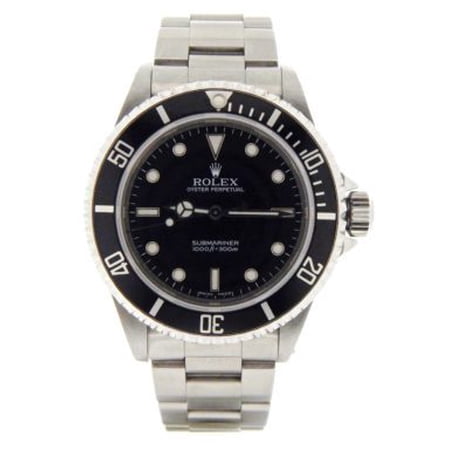
Authentication should be treated as a whole-watch assessment, not a checklist of isolated parts. Dial printing, handset, bezel, case, bracelet, clasp, movement, and reference-specific details need to make sense together. A genuine component does not automatically make a genuine watch: parts can be mixed between watches, replaced during service, or fitted to create a misleading combination. Any conclusion should therefore account for the watch’s era, configuration, and documented service history.
Originality matters for more than collector interest. Replaced or aftermarket parts may alter collectability, complicate future servicing, and affect resale value. Ask which components are original, which were replaced, and whether the removed parts are included. A replacement may be entirely appropriate for reliable use, but it should be disclosed and reflected in the buying decision.
Condition requires separate questions rather than a single overall grade. Honest wear is different from over-polishing, which can change case geometry and soften defining edges. Damaged threads, a stretched bracelet, moisture damage, and poorly executed repairs each present different risks. Request clear photographs of the case, lugs, bracelet, clasp, movement, and any corrosion or repair areas. If an issue cannot be seen clearly, treat it as unresolved rather than assuming it is minor.
Papers, receipts, and service records can support a watch’s history, but none should replace examination. Documentation may identify a sale or service event without proving that every component currently belongs to that watch. Seller explanations are useful only when they are specific, consistent, and supported by records. Provenance is strongest when the timeline is coherent and gaps are openly acknowledged.
The transaction itself is part of the risk assessment. Consider the seller’s reputation, insist on a written condition description, and use escrow or protected payment when available. A defined return window should allow an independent watchmaker to inspect the watch; confirm in advance who pays for that inspection and what happens if the watch differs from its description.
Finally, do not infer service status or water resistance from clean cosmetics. A dive watch’s seals, crown, caseback, and other water-resistance-critical components require appropriate verification. Ask for recent test results or service documentation, and avoid exposing an unverified watch to water before inspection. These checks are the practical foundation of a rolex submariner buying guide because they address the failures most likely to create an expensive surprise.
Budget, Size, and Style: Matching the Watch to the Buyer
Budget, Size, and Style: Matching the Watch to the Buyer
The purchase price is only the starting point. Build a complete ownership budget that allows for independent inspection, servicing, insurance, shipping, taxes, and possible bracelet or component work. This matters particularly when evaluating an older or modified watch, where the initial saving may not reflect the cost of bringing it to a reliable, well-documented condition.
A current purchase through an authorized retail channel may offer a clearer route to support and documentation, but the available configuration may not match the buyer’s preference. The secondary market generally requires a wider comparison of examples, with greater variation in condition, originality, service history, and seller quality. That flexibility comes with a higher verification burden: the exact watch, its documents, and the seller’s return terms all deserve scrutiny before payment.
Fit should be assessed from reliable measurements for the exact reference, not from the model name alone. Check diameter, thickness, lug-to-lug reach, bracelet adjustment, and clasp comfort. These details determine how the watch sits on the wrist and whether it feels balanced during a full day of use. If buying remotely, request clear measurements and photographs, and compare them with a watch the recipient already wears.
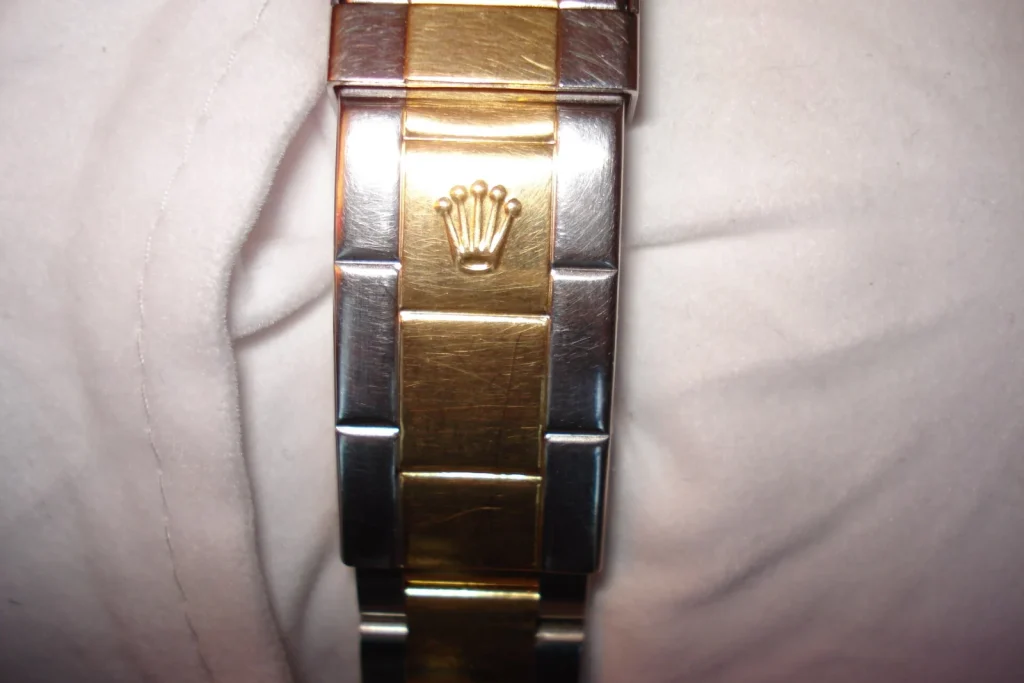
Style choices should follow practical preferences as well as collecting interest. A date display can improve everyday legibility for some buyers, while a no-date configuration may offer a more restrained dial. Bezel and dial combinations, precious-metal or two-tone construction, and vintage or modern design language should be judged only after confirming what belongs to the chosen reference. Configuration changes can affect both appearance and collectibility, so originality is part of the decision—not merely a cosmetic detail.
Gift buying is especially difficult. Confirm the recipient’s wrist size, preferred configuration, and tolerance for wrist presence before committing. Favor a seller with clear return terms and credible service support; selecting a collectible watch without the recipient’s input can easily produce an expensive mismatch.
Finally, affordability includes sensible maintenance and ownership costs. If the purchase would compromise those reserves or other financial priorities, a Rolex Submariner may not be the right choice at this time.
New, Pre-Owned, and Vintage Submariner Options Compared
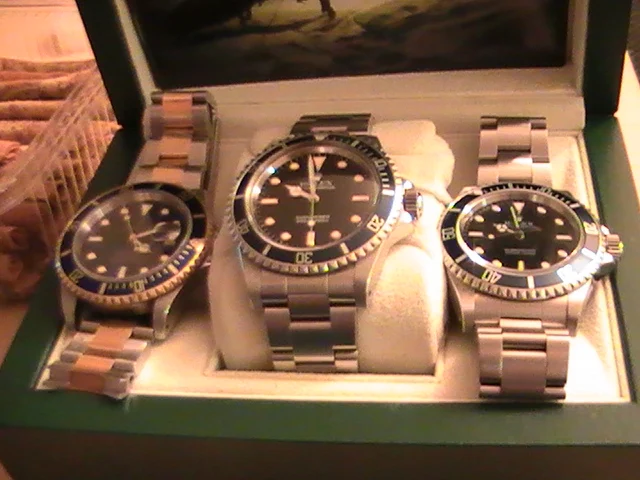
The purchase route changes the balance between convenience, price discovery, and verification. Buying through an authorized retail channel may offer clearer provenance and formal after-sales support, but availability and allocation terms should be confirmed directly with the retailer. A reputable secondary-market seller can provide broader choice, while a private transaction usually places more responsibility on the buyer to authenticate the watch, assess its condition, and establish a safe payment and return arrangement.
| Consideration | Authorized retail | Reputable secondary market | Private transaction |
|---|---|---|---|
| Availability | Confirm directly; not confirmed here | Often broader choice, but varies | Depends on individual listings |
| Authentication risk | Lower, subject to the seller’s status | Requires independent verification | Highest buyer responsibility |
| Condition variability | Usually easier to define before purchase | Can range from unworn to heavily serviced | Must be assessed watch by watch |
| Documentation | Ask what purchase records and warranty documents are supplied | Confirm what accompanies the exact watch | Documentation may be incomplete |
| Service considerations | Clarify future service options | Request service history and inspect service quality | Budget for unknown maintenance needs |
| Return protection | Confirm the written policy | Prefer a documented inspection period | Often limited or absent |
| Collector appeal | Strong for a straightforward ownership record | Greater choice of configurations and histories | Potentially interesting, but provenance matters most |
Modern pre-owned examples generally make the verification task more manageable than vintage watches, but “modern” does not remove the need to inspect the movement, case, bracelet, dial, bezel, and service records. Vintage examples can offer stronger historical and collector interest; they also demand greater scrutiny of originality, replaced components, polishing, moisture exposure, and undocumented repairs. A vintage watch may require ownership decisions based as much on preservation and serviceability as on appearance.
The exact reference and the individual watch determine the final assessment. Compare the seller, evidence, condition, originality, and return terms—not merely the category label.
Prices and availability are accurate as of the date/time indicated and are subject to change.
Prices and availability are accurate as of the date/time indicated and are subject to change.
Pros and Cons of Each Buying Approach
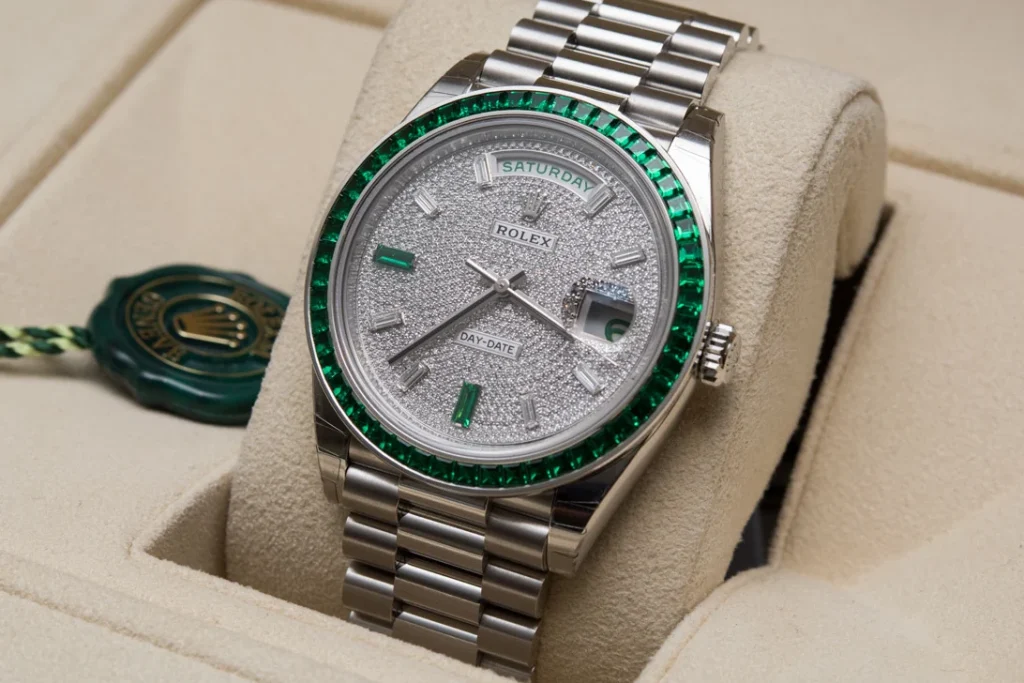
The right route depends on how much verification you can manage and how much risk you are prepared to accept. For this part of a Rolex Submariner buying guide, treat the seller and documentation as carefully as the watch itself.
Strengths
- New or retail channel: A clearer purchase trail and possible access to brand support can simplify future ownership. Availability and the exact purchase terms must be confirmed at the time of sale.
- Reputable pre-owned dealer: Broader selection, documented inspection, and a written return policy can make comparison and recourse easier.
- Private sale: It may offer pricing or provenance advantages when the seller can provide convincing records and a coherent ownership history.
- Vintage purchase: Originality can make a historically correct watch more compelling to collectors than one chosen solely for polished appearance.
Trade-offs
- Retail access may be limited; dealers can add a premium, and condition descriptions require careful reading.
- Private purchases place more responsibility on the buyer for authentication, secure payment, and recourse if the transaction fails.
- Vintage examples need scrutiny of originality, period-correct components, restoration history, and specialist inspection. Attractive surfaces alone are not enough.
Frequently Asked Questions
Can I buy a new Rolex Submariner?
Yes, a new Submariner may be available through an authorized retail channel, but availability should be confirmed directly with the retailer. This route can provide clearer provenance and formal after-sales support. It is still important to verify the exact reference, included documentation, warranty terms, and return conditions before completing the purchase. Do not treat “new” as a substitute for checking the seller and paperwork.
What should I check first when buying a pre-owned Rolex Submariner?
Start with the seller, not the watch. Confirm the seller’s identity, written return terms, and inspection process before discussing value. Then request clear photographs and documentation for the exact watch being offered. Authentication should assess the whole watch—dial, hands, bezel, case, bracelet, clasp, movement, and reference-specific details—because one apparently correct component does not establish authenticity.
How can I tell if a Rolex Submariner is authentic?
No single detail proves authenticity. The dial printing, handset, bezel, case, bracelet, clasp, movement, and reference-specific features should be consistent with one another and with the watch’s documents. Have the watch examined independently when possible, especially if the seller’s inspection process is limited. Compare the physical watch with its paperwork rather than relying on the Rolex name or isolated visual clues.
What documents should come with a used Submariner?
Ask for every document the seller says is associated with the watch, including its purchase or warranty paperwork, service records, and any provenance information. Check that the documents correspond to the exact watch and reference rather than merely describing the model. Missing paperwork does not automatically establish that a watch is false, but it reduces the evidence available for verification and should affect your decision.
How important are service records and water-resistance checks?
They are important because service history helps establish how the watch has been maintained, while a water-resistance check addresses a key function of a dive watch. Request records where available and ask when the most recent check was performed. If the evidence is incomplete, budget for an independent inspection and possible service before relying on the watch’s water resistance.
Should I buy a Submariner from a dealer or a private seller?
A dealer may offer a clearer inspection process, written return terms, and more structured after-sales support. A private seller may require you to manage more of the verification yourself, including authentication, condition assessment, documentation, shipping, and payment risk. Neither route removes the need to assess the individual watch. Choose the transaction you can verify properly and walk away if the evidence is incomplete.
Final Advice: Buy the Individual Watch, Not Just the Name
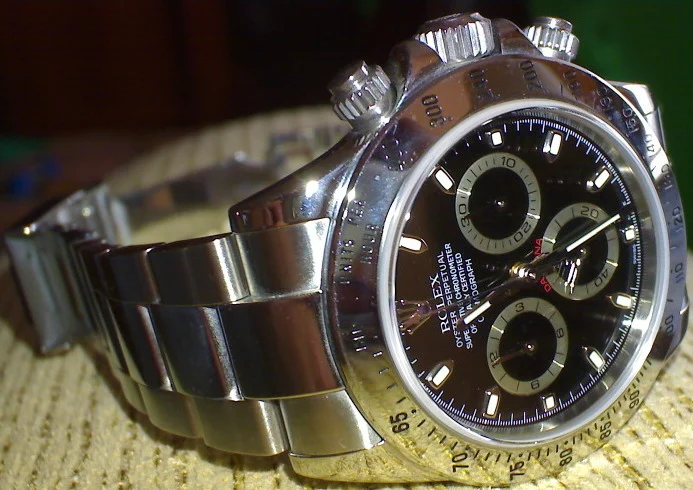
Before discussing value, confirm the exact watch and the seller. Ask for clear evidence supporting authenticity, condition, provenance, and service history, and compare the watch’s components with its documents rather than treating paperwork as proof on its own.
Whenever possible, arrange an independent inspection and use a transaction process that protects both payment and delivery. A seller who cannot answer basic questions—or whose account does not align with the dial, case, movement, bracelet, or records—has given you a reason to walk away.
The strongest purchase is not simply the one carrying the Rolex name. It is the individual Submariner that suits your wrist, budget, collecting aims, and plans for long-term ownership. That is the practical conclusion of any Rolex Submariner buying guide: verify first, assess the specific watch, then decide whether the asking price makes sense.
This article was researched and drafted with AI assistance and reviewed by our editorial team.