


As an Amazon Associate, we earn from qualifying purchases. We may also earn a commission from other retailers linked on this page, at no extra cost to you.
If you are drawn to a Franck Muller watch but do not know which model to consider first, begin with the kind of character you want on the wrist. The brand is aimed at buyers who prefer distinctive case shapes and unusual mechanical displays over conservative dress-watch design. This Franck Muller buying guide explains how to narrow the choice by complication, case family, material, buying channel, and long-term ownership approach.
We will compare the Cintrée Curvex and Vanguard families, since Franck Muller presents complications in both case designs. We will also cover how to assess authenticity, plan for service, and approach the pre-owned market. Treat prices, dimensions, materials, and movement details as reference-specific: confirm them against current information from the brand or an authorized retailer before buying.
Quick answer: Choose the complication and case before the reference

In this Franck Muller buying guide, start with the display concept: conventional timekeeping, the playful Crazy Hours display, or a more complex complication. That choice largely determines how distinctive and specialized the watch feels; Crazy Hours, with its patented jumping-hour mechanism and unconventional numerals, is the more niche direction.
Next, compare a Vanguard and a Cintrée Curvex side by side. Franck Muller presents complications in both case families, so the case shape matters as much as the mechanism. Before buying, verify the exact reference, movement, materials, service history, and seller authorization. Do not rely on the collection name alone: Vanguard models span numerous configurations and materials, making reference-level research essential.
What matters most when buying Franck Muller

The first decision is the level of complication you actually want to live with. Franck Muller’s positioning is built around unusual, technically ambitious watches; the Aeternitas Mega represents the upper limit of that ambition, described by the brand as the most complex wristwatch in watchmaking history. That does not mean every Franck Muller is a high-complication watch. The practical choice may be a simpler display in a distinctive case, with the complication serving as the watch’s central identity rather than its entire purpose.
Crazy Hours is a particularly clear example. Its patented jumping-hour mechanism places the hour numerals in an unconventional order, creating a display that asks the wearer to read time differently. It suits a buyer who values playfulness and visual individuality more than immediate familiarity. If you prefer a conventional reading of the dial, a traditional time display will be the more sensible starting point.
Keep the collection name separate from the movement. The FM 708 debuted in the Vanguard Line Cut and, according to the brand, was developed specifically for that model; its frequency is 3.5 Hz. This is a useful example of case design and movement development being linked, not evidence that the FM 708 is used across the Vanguard collection.
The Line Cut also shows why dimensions should be considered alongside the case family. Its case measures 41 mm by 50 mm and 9.1 mm high, with 30 m of water resistance. Those proportions may wear differently from the diameter alone suggests, while the relatively thin profile reflects the model’s specific design brief. Choose the case shape first—such as a Cintrée Curvex or Vanguard—then compare the reference’s actual dimensions.
Material changes both the visual character and the priorities of ownership. Examples in the range include black PVD-treated titanium, sandblasted titanium, carbon, leather, rubber, and alligator. A leather or alligator strap may reinforce a dressier presentation; rubber or a technical case material can make the same broad design feel more casual or purpose-built. Check the exact reference rather than assuming that a collection name determines its case and strap configuration.
Movement provenance is another meaningful distinction. Franck Muller says its mechanical complications are designed and developed in its own workshops and that it follows each watch from initial sketch through execution. Treat that as the brand’s stated manufacturing position, then examine the specific caliber and service documentation.
Finally, choose the buying channel with the same care as the watch. An authorized retailer is a useful route for confirming the reference, warranty terms, and servicing arrangements. For a pre-owned purchase, prioritize a seller willing to document provenance, disclose servicing, provide a clear return policy, and identify the exact case, movement, and strap configuration. Those details matter more than the collection name alone.
Budget, size and style: Match the watch to your life

Budget should follow the exact reference, not simply the collection name. The available examples are historical and market-specific: a Vanguard V45 SC DT TT NR BR ER was listed at A$12,200 in 2015, while the Vanguard Line Cut was listed at about US$10,000 in 2022. Neither figure should be treated as current MSRP guidance.
For a realistic ownership budget, evaluate the specific watch, seller, condition and included service documentation. Add applicable taxes and leave room for future maintenance. Vanguard is offered in numerous configurations and materials, so the reference determines far more than the collection label suggests.
Fit also requires more than reading the diameter. The Vanguard Line Cut measures 41 mm by 50 mm and is 9.1 mm thick. Its dimensions show why lug-to-lug length, case curvature and the way the watch extends across the wrist matter alongside nominal diameter. The published discussion also notes that its 9.1 mm height appears thinner than the measurement might suggest. Compare those dimensions with your wrist and, where possible, inspect the case profile before buying.
As a style framework, Vanguard generally suits a more contemporary, sporty and architectural presentation, while Cintrée Curvex points toward a more traditionally curved, dress-oriented silhouette. This is not a universal rule: Franck Muller uses both case families for complications, making case shape part of the selection process. Materials reinforce the impression. Carbon and titanium can support a lighter, technical character; alligator and leather emphasize dress styling; rubber is worth considering when flexibility and a sportier presentation matter. Treat these as design priorities, then verify the material on the exact reference.
Finally, check how the strap or bracelet attaches. On any reference with integrated or concealed construction, replacement options and fit may be more reference-specific than the name of the collection implies. Confirm the attachment system, available replacement parts and sizing support with the seller before committing.
Franck Muller options compared

For this Franck Muller buying guide, compare the display, case family and construction before narrowing the reference. The table separates verified specifications from preferences that depend on how you intend to read and wear the watch.
| Option | Defining character | Verified examples | Practical considerations | Who it suits |
|---|---|---|---|---|
| Conventional time-only display | Familiar hour and minute reading. | Specific example not confirmed. | More immediately legible than an unconventional display; exact case, movement and dimensions depend on the reference. | First-time buyers and readers who prioritize straightforward daily use. |
| Crazy Hours | Unconventional numeral order creates a more expressive way to read the hour. | Vanguard Crazy Hours in lightweight black carbon, with hand-applied colored Arabic numerals. | The example combines colored case details with a hand-sewn alligator-over-rubber strap. Its strap is secured with two concealed screws. The display is less conventional to read than time-only layouts. | Collectors who want the display itself to be the focal point. |
| Vanguard versus Cintrée Curvex | Two established case families used for Franck Muller complications. | Vanguard models span many materials and configurations; universal family dimensions are not confirmed. | Choose by the exact reference, not the family name: case material, dial and strap can change substantially. | Buyers deciding first between a sportier Vanguard direction and a more classically shaped alternative. |
| Vanguard Line Cut | Two-hand, monochromatic configuration in sandblasted titanium. | 41 by 50 mm, 9.1 mm high, 30 m water resistance and FM 708 movement. | Its bracelet is not integrated into the case and has fluted link edges. Those are construction details; whether they look preferable is subjective. | Buyers seeking a pared-back Vanguard with a specified, relatively thin profile. |
Pros and cons of each buying approach

A practical franck muller buying guide should compare how each approach fits your priorities, not just how recognizable it is.
Strengths
- Crazy Hours: Its jumping-hour display and unconventional numeral arrangement create a distinctive visual identity, though the reading experience is intentionally less conventional.
- Vanguard: The collection offers broad material and configuration choice; research from 2015 cited 27 models. This makes it flexible, but each reference requires separate investigation.
- Cintrée Curvex: Consider it if you want the brand’s more classic case direction or are looking for a complication within that design language.
- Line Cut and similar simpler models: The restrained two-hand layout and 9.1 mm profile suit buyers seeking a thinner, quieter option.
- Complicated or limited pieces: They can offer greater horological interest and collector appeal.
Trade-offs
- Crazy Hours has a narrower stylistic audience; Vanguard specifications vary substantially by reference.
- Cintrée Curvex deserves an in-person check for wrist curvature and dress-versus-sport suitability.
- Line Cut’s 30 m water resistance and decorative design details will not suit every buyer.
- Complex or limited watches demand more careful authentication, servicing, and ownership decisions.
Recommended watches

How to build the shortlist
There are no affiliate products available for this article, so this section does not name a specific watch to buy. Instead, use it as a reference-based shortlist for the next stage of research. The aim is to compare clearly identified watches rather than treat an entire collection as a recommendation.
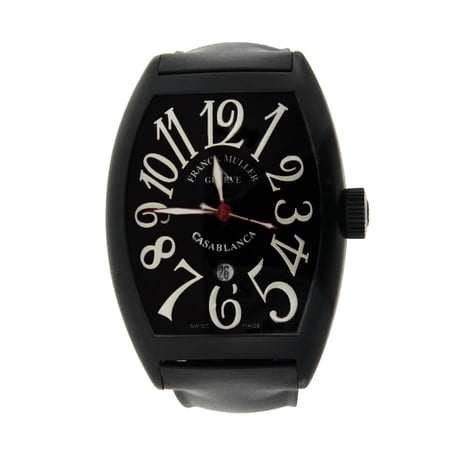
- Conventional model: the sensible starting point for a reader who wants Franck Muller’s design language with a familiar time display. It should suit a first-time buyer who values straightforward daily readability.
- Crazy Hours model: the choice for a collector who wants the brand’s most playful and unconventional display concept. It is best reserved for someone who sees the watch as a conversation piece as much as a timekeeper.
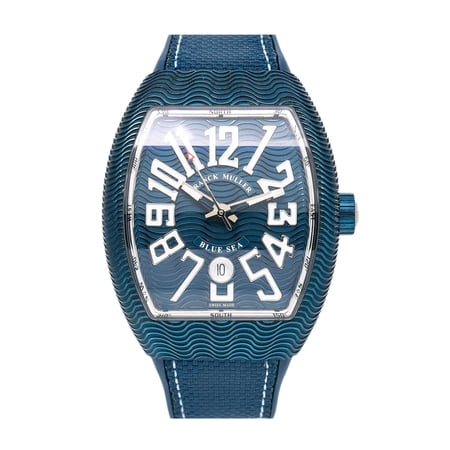
- Vanguard option: a candidate for the buyer drawn to a more contemporary, sport-oriented case family. The exact reference matters, so the collection name alone is not enough to support a purchase decision.
- Cintrée Curvex option: include this only when current product data and verified specifications are available. It should serve readers specifically interested in the collection’s distinctive curved-case profile.
Every future recommendation in this Franck Muller buying guide should identify the exact reference, current price or confirmed market context, movement, dimensions, materials, water resistance, warranty, and seller status. If any of those details cannot be verified, leave the watch out of the product shortlist rather than filling the gap with assumptions.
Prices and availability are accurate as of the date/time indicated and are subject to change.
Frequently asked questions
What are Franck Muller’s signature complications, and which should a first-time buyer consider?
Franck Muller’s positioning centers on distinctive, technically ambitious watches, including highly complicated models such as the Aeternitas Mega. For a first purchase, begin with the display you will actually enjoy reading: conventional timekeeping, the playful Crazy Hours arrangement, or a more complex complication. Crazy Hours is the more approachable unconventional choice because its patented mechanism changes the hour display without committing you to the complexity of a grand complication.
How does the Crazy Hours complication work, and who is it designed for?
Crazy Hours places the hour numerals in an unconventional order, creating a different way to read the time. Franck Muller describes the mechanism as a patented jumping-hour system. It is best suited to a buyer who wants a playful, niche design rather than immediate conventional legibility. The Vanguard Crazy Hours collection uses a lightweight black carbon case and hand-applied Arabic numerals in bright colors, reinforcing that expressive intent.
Should I buy a Vanguard or a Cintrée Curvex for everyday wear?
Choose the case family after deciding how much visual presence and complication you want. Franck Muller presents complications in both classic Cintrée Curvex and Vanguard cases, so the case is not merely a styling detail. Vanguard offers many configurations and materials, making reference-level research essential. For everyday use, compare the exact case dimensions, material, strap construction, display, and water-resistance rating; the collection name alone does not establish suitability.
Which Franck Muller watches are more accessible in price, and which are collector-focused?
Pricing must be checked by reference and market because examples vary. A Vanguard V45 SC DT TT NR BR ER was listed at A$12,200 in 2015, while the Vanguard Line Cut was listed at about US$10,000 in 2022. These historical prices are not current quotations. More elaborate complications sit toward the collector-focused end; Franck Muller positions the Aeternitas Mega as an exceptionally complex wristwatch.
Are Franck Muller movements in-house, and what is known about the FM 708?
Franck Muller states that its mechanical complications are designed and developed in its own workshops and that it follows manufacturing from initial sketch through execution. The FM 708 debuted in the Vanguard Line Cut, whose reference is V 41 S AT REL LINE CUT. Franck Muller says the caliber was developed specifically for that model; its 3.5 Hz frequency and dimensions do not match common movements, supporting its in-house status.
How can I verify the authenticity of a pre-owned Franck Muller watch?
Start with the exact reference, then compare the case, dial, movement, strap, and supplied documentation against reliable reference material. Do not assume that a Vanguard label identifies one specification: the collection includes many material and configuration combinations. Franck Muller says its timepieces are distributed through exclusive boutiques and authorized retailers to support authenticity and customer experience. For a pre-owned purchase, have the watch and its records assessed by an authorized retailer or boutique before completing the transaction.
Final advice: Buy the reference, not just the collection name

A sound Franck Muller buying guide ends with a reference-level check, not a collection-level decision. First, choose the display: conventional timekeeping, the unconventional hour arrangement of Crazy Hours, or a more complex complication. Next, compare case families; Franck Muller presents complications in both Cintrée Curvex and Vanguard cases. Confirm the full dimensions, including lug-to-lug length and thickness, before deciding that the proportions suit you.
Verify the movement and every material detail against official or authoritative reference information. Buy through a channel that can establish authenticity; the brand says its watches are distributed through boutiques and authorized retailers for that reason. For pre-owned examples, prioritize condition and documented service over an attractive headline price. Highly complicated watches deserve specialist scrutiny: confirm service support and likely ownership costs before committing.


