

As an Amazon Associate, we earn from qualifying purchases. We may also earn a commission from other retailers linked on this page, at no extra cost to you.
The Cartier Ballon Bleu is a round Cartier watch introduced in 2007, identified by its rounded case and protected blue cabochon crown. Its distinctive crown sits within a protective arch, giving the watch an immediately recognizable profile and helping explain the model’s name.
The Ballon Bleu occupies a useful middle ground between a traditional dress watch and an everyday luxury watch. Cartier offers the collection in multiple sizes, metals, and configurations, ranging from relatively simple steel executions to more elaborate versions for collectors. That breadth is the reason the model deserves closer study: the same design language can suit a restrained daily watch, a formal option, or a high-jewelry purchase, but the differences in size, material, movement, and setting materially affect the buying decision.
This Cartier Ballon Bleu guide explains the design and its proportions, compares the available sizes and movements, and covers winding and setting. It also addresses ownership considerations, pricing, and the factors that may matter when assessing the watch’s collecting interest. The aim is to clarify which parts of the Ballon Bleu are defining design choices and which are configuration-specific details to check before buying.
The Short Version: What You Need to Know
The name refers to the “Blue Balloon” effect created by the blue cabochon crown, which appears to float inside its protective arch at 3 o’clock.
- Design: Look for the rounded case, Roman numerals, and numerals subtly curved or distorted to follow the dial and case geometry. The blue sword-shaped hands are another consistent signature.
- Size: The collection spans small, medium, and large cases; in the supplied research, the medium is generally identified as 36mm.
- Movement: Caliber choice depends on the model. The 40mm watch discussed by Hodinkee uses Cartier’s 1847 MC automatic caliber, with a stated 40-hour power reserve.
- Price: Treat published figures as dated or auction-oriented rather than universal benchmarks. Prices vary materially with size, metal, movement, diamonds, and complications.
How the Ballon Bleu Works: Design, Movement, and Controls
Case architecture. The Ballon Bleu takes Cartier’s familiar round watch format in a more continuously rounded direction, rather than relying on the sharper geometry associated with many traditional Cartier cases. Its blue sapphire cabochon crown sits inside a protective arch at 3 o’clock, making the crown guard part of the case silhouette rather than a separate control added to it. This is the key visible distinction to look for in a Cartier Ballon Bleu guide: the case and crown guard read as one designed shape.
Dial language. The dial combines several established Cartier cues. Roman numerals provide the primary hour markers, while a railroad-style minute track organizes the perimeter. Some examples use a guilloché-patterned surface rather than a plain dial, and blue steel sword-shaped hands provide a strong contrast against the dial. The numerals can also be subtly distorted to follow the curvature of the case. Together, these details create recognition at a glance: the identity comes from the relationship between the rounded case, protected blue crown, Roman numerals, minute track, and blue hands—not from any single feature alone.
The documented 40mm mechanical configuration
For the 40mm Ballon Bleu specifically, Hodinkee documented Cartier’s in-house 1847 MC automatic movement. In that configuration, it supplies hours, minutes, seconds, and a date, with a stated 40-hour power reserve and a 4 Hz frequency, equivalent to 28,800 vibrations per hour. These specifications describe the documented 40mm model; they should not be treated as proof that every Ballon Bleu uses the 1847 MC.
The collection also allows meaningful variation in how the same design language is presented. Documented case choices include steel or pink gold, with the option of a diamond-set bezel. Attachment choices include interchangeable alligator leather straps and metal bracelets. Those choices affect the watch’s visual formality and how easily its appearance can be changed, while leaving the core case architecture recognizable.
Winding and setting
Do not assume that every Ballon Bleu has identical crown positions, winding behavior, or setting instructions. The correct procedure depends on the movement and reference. For winding, time-setting, date-setting, and any precautions around those operations, use the model-specific Cartier manual or user guide. The exterior crown architecture is a design identifier; it is not, by itself, a complete operating instruction.
Why the Details Matter to Owners and Buyers
For a practical Cartier Ballon Bleu guide, the first decision is proportion, not the label attached to a size. Cartier presents the collection for both men and women, across a broad range of dimensions and materials. A smaller case may suit a narrow wrist or a more discreet dress watch, while a larger case gives the dial and rounded architecture greater visual presence. Wrist proportions, dial presence, and the level of formality you want should carry more weight than gender alone.
| Documented size | Case dimension | Buying implication |
|---|---|---|
| Small | 28mm or 33mm | More restrained presence |
| Medium | Typically 36mm | Balanced, versatile proportion |
| Large | 40mm | More prominent wrist presence |
The supplied sources are not fully consistent about the size categories: small examples are associated with 28mm or 33mm, the medium is typically 36mm, and the larger documented mechanical option is 40mm. Confirm the exact reference’s dimensions before buying, particularly when purchasing online or comparing vintage and current listings.
Material changes the watch’s visual language as well as its collecting profile. Stainless steel is the least formal-looking of the documented executions; gold is warmer and more visibly precious; two-tone introduces contrast between steel and gold; and a diamond-set bezel makes the case more jewelry-like. The collection includes all four approaches, with diamond-set versions documented alongside steel and pink-gold cases. These choices can materially affect market value, but the supplied evidence does not support a universal premium for any one material or setting.
Attachment is equally relevant. Documented configurations use metal bracelets and interchangeable alligator leather straps. A bracelet generally reads as more integrated and adaptable to daily wear, while leather shifts the watch toward a more formal presentation and makes strap changes part of its versatility.
Price is a model-dependent question, not a single Ballon Bleu figure. A 2021 source provides a dated starting reference, while later supplied material gives auction or market estimates, including examples around $4,000–$6,000, values beginning around $14,000, and a listed 28mm rose-gold quartz example at $17,325. None should be treated as current universal retail pricing.
For collectors, the 40mm model introduced with Cartier’s in-house 1847 MC automatic movement is significant: it expands the collection’s larger mechanical offering while tying the rounded case design to an in-house Cartier caliber.
Common Misconceptions About the Cartier Ballon Bleu
Several easy assumptions can obscure what the Ballon Bleu actually is. The name does not describe a blue dial: it means “Blue Balloon,” referring to the blue cabochon crown set within its protective arch. A blue dial is therefore a variation, not the defining feature.
Nor does every Ballon Bleu use Cartier’s 1847 MC automatic caliber. The supplied research identifies that movement in the 40mm model; the caliber should be confirmed against the individual reference rather than inferred from the collection name.
“Medium” is also not a universal dimension. It is typically used for the 36mm model, while small examples are listed at 28mm or 33mm, and a 40mm model is documented separately. For any Cartier Ballon Bleu guide, size should be treated as a specific configuration, not a fixed category.
The launch history deserves similar care. 2007 is the supported introduction year. Claims about a January SIHH debut, a specific designer, or the watch becoming Cartier’s best seller should not be presented as established facts on the basis of the supplied research.
Finally, Ballon Bleu watches do not occupy one price tier. The range extends from simpler steel examples to diamond-set, high-jewelry, and complicated variants; supplied price figures are dated or market-specific and should be treated accordingly. Rare materials, complications, and artistic details may increase collector interest, but a Ballon Bleu is not automatically a high-value collectible. Desirability and value depend on the particular watch, its condition, and its documentation.
Prices and availability are accurate as of the date/time indicated and are subject to change.

Prices and availability are accurate as of the date/time indicated and are subject to change.
Prices and availability are accurate as of the date/time indicated and are subject to change.

Prices and availability are accurate as of the date/time indicated and are subject to change.

Prices and availability are accurate as of the date/time indicated and are subject to change.

Prices and availability are accurate as of the date/time indicated and are subject to change.
Frequently Asked Questions
When was the Cartier Ballon Bleu introduced?
Cartier introduced the Ballon Bleu in 2007. The collection became known for combining Cartier’s established formal-watch language with a rounder case profile and the protected blue cabochon crown. It has since remained a mainstay of the brand’s collection, with variations in size, metal, dial design, and movement.
What are the signature design features of the Ballon Bleu?
The defining elements are the rounded case, the large blue cabochon crown at 3 o’clock, and the protective arch that surrounds it. Depending on the model, the dial may include Roman numerals, a railroad minute track, blue sword-shaped hands, and guilloché decoration. The Roman numerals are subtly curved or distorted to follow the case’s visual proportions.
What sizes does the Ballon Bleu come in, and which size is considered medium?
The Ballon Bleu is offered in small, medium, and large formats. Commonly cited case sizes include 28mm and 33mm for smaller models, 36mm as the medium size, and 40mm for the larger model. Exact sizing can vary by reference, so buyers should confirm the case diameter for the specific watch rather than relying only on the size label.
Which Ballon Bleu models use Cartier’s in-house 1847 MC movement?
The documented 40mm Ballon Bleu update uses Cartier’s in-house 1847 MC automatic movement. The cited configuration offers hours, minutes, seconds, and a date, with a stated 40-hour power reserve and a 4 Hz frequency. Because Ballon Bleu references use different movements, including quartz in some examples, check the reference’s specifications before buying.
How do I wind and set a Cartier Ballon Bleu?
The correct procedure depends on the movement and reference. A Ballon Bleu with the 1847 MC is automatic, while other examples may use quartz, so the winding and setting instructions are not universal. Use the manual for the exact reference, or obtain it from Cartier or an authorized service center. Do not force the crown or change the date outside the movement’s permitted setting period.
What materials, bracelets, and straps are available?
The collection includes stainless steel, gold, two-tone, and diamond-set versions. Bracelet and strap configurations include metal bracelets and interchangeable alligator leather straps. The 40mm range has been documented in steel or pink gold, with or without a diamond-set bezel, and with silver, dark gray, or bright blue sunburst dial options depending on the variation. Confirm the exact configuration by reference.
Key Takeaways: Choosing and Understanding a Ballon Bleu
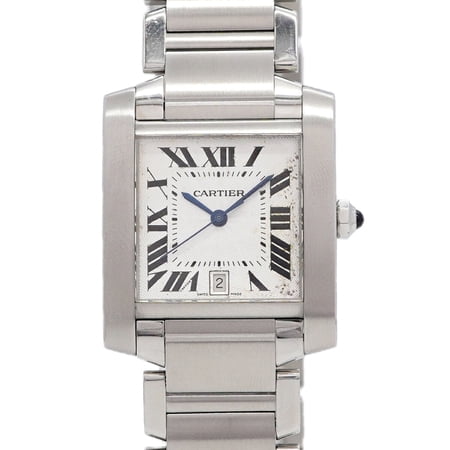
The Ballon Bleu’s identity rests on its rounded case and blue sapphire cabochon crown, set within a protective arch—not on one particular dial color or movement. That distinction helps separate the collection’s defining design from the variables that change between references.
Size is the next practical decision. The medium model is typically 36mm, but that label is not enough on its own: verify the exact reference, dimensions, and likely fit before purchasing. A 40mm Ballon Bleu with Cartier’s 1847 MC automatic movement is documented, but the caliber should not be assumed across every Ballon Bleu.
A sound buying checklist is more useful than relying on the model name alone. Confirm:
- reference-specific dimensions and movement;
- case material and whether the watch is supplied on a strap or bracelet;
- condition, service history, and provenance;
- the date and context of any quoted price, since values vary significantly between standard and special versions.
That framework makes a Cartier Ballon Bleu guide practical: identify the design first, then evaluate the particular watch in front of you.