


As an Amazon Associate, we earn from qualifying purchases. We may also earn a commission from other retailers linked on this page, at no extra cost to you.
The Orient Kamasu is an affordable diver built around a compelling specification: a sapphire crystal, 200-meter water resistance, and Orient’s automatic F6922 movement. The caliber hacks and hand-winds, with a power reserve of approximately 40 hours.
This Orient Kamasu review takes a value-focused approach. The central question is not simply what the watch includes, but whether those core specifications outweigh the bracelet and lume trade-offs discussed in the cited coverage. The assessment draws on published reviews from Hodinkee, Fratello Watches, and other sources; Eva Watches did not handle or test the watch. Because the supplied historical prices conflict and are no longer reliable, this introduction avoids presenting a single current price.
Verdict in brief: Strong hardware, predictable compromises

Quick verdict: This orient kamasu review finds a strong core specification for value-focused buyers: sapphire crystal, 200m water resistance, and Orient’s F6922 automatic movement, which supports both hacking and hand-winding. Its approximately 40-hour power reserve is practical for an affordable mechanical watch.
The compromises are mostly in the finishing and external hardware. Reports identify stamped or hollow bracelet end links and a stamped clasp as cost-saving details, while reported bezel play may vary between samples. The lume is considered usable but weaker than Seiko’s Lumibrite, and one source advises looking elsewhere if Seiko branding, maximum lume, or resale value matters most. Accuracy, fit, and tolerance for these trade-offs depend on the wearer and the individual sample, so the Kamasu is compelling conditionally—not universally.
Design and build: A capable diver with a budget bracelet

The Kamasu’s reported dimensions vary slightly by source, but the commonly cited figures are approximately 41.8mm in diameter, 12.8mm thick, with 22mm lugs. One source also reports a 46.8mm lug-to-lug measurement. That places it firmly in modern dive-watch territory: substantial enough to have a noticeable wrist presence, without becoming unusually large by diver standards.
Its stainless-steel case uses alternating brushed and highly polished surfaces, giving the otherwise straightforward profile some visual definition. The crown is signed and positioned at 3 o’clock, while both the crown and case back screw down. The sapphire crystal and 120-click unidirectional bezel are the more consequential details for buyers: they strengthen the Kamasu’s core specification rather than merely decorating it. The watch is also rated to 200 meters of water resistance.
The dial is designed for quick reading, with large lume-filled indices framed by chrome-colored surrounds. The main positions use rectangular markers, while the others are trapezoidal. At 3 o’clock, a bilingual Spanish/English day display sits beside the date. Some published descriptions also call attention to the red-tipped seconds hand and a barracuda-inspired design, but those are best treated as source-attributed observations rather than universal points of consensus.
The clearest economy measure is the bracelet. It follows an oyster-style design and is described as sturdy, but its hollow end links—and specifically documented stamped 22mm end links—are less refined than the watch’s sapphire crystal and diver-oriented case hardware. A stamped clasp has also been identified as a cost-saving detail, while reported bezel play is another area where expectations should remain realistic. In practical terms, the Kamasu’s head makes the stronger case; the bracelet is where buyers are most likely to notice the budget positioning.
Movement and performance: The F6922 makes the difference

Movement and performance: The F6922 makes the difference
At the heart of the watch is Orient’s F6922, an in-house automatic movement. Its practical advantage is not simply that it winds itself. The caliber hacks, meaning the seconds hand stops when the crown is pulled out, allowing more precise time setting. It also supports hand-winding, so turning the crown can restore energy after the watch has stopped or has not been worn for some time.
Orient reports a power reserve of approximately 40 hours. Another published specification lists the movement at 21,600 beats per hour, or 3 Hz. These figures help buyers compare the Kamasu with other mechanical watches, but they do not establish superior accuracy or durability.
The available accuracy figures also require careful reading. One specification lists a range of -15/+25 seconds per day. A separate source says the stated accuracy had been reduced to ±15 seconds. These figures should not be combined into one definitive rating: they are different published claims, and the supplied material does not establish which applies universally to every Kamasu or operating condition. Position, temperature, winding state, and individual adjustment can affect a mechanical watch’s rate, but no measured result for this particular watch is documented here.
Does that make the F6922 reliable? The documentation supports a clear answer about its functions and published specifications, not about long-term reliability. It provides neither a standardized reliability study nor a documented multiyear test result, so stronger assurances would go beyond the evidence.
The surrounding water-resistance hardware is documented more clearly: the Kamasu is rated to 200 meters and has a screw-down crown. Those features suit a diver-style watch, but the supplied sources do not establish ISO 6425 certification. The F6922 therefore makes the Kamasu easier to live with day to day, while its accuracy and long-term performance should be judged against the published information rather than assumed from the movement’s name alone.
Wearability and daily use: Fit, lume, and upgrade decisions

The reported 41.8mm case, 12.8mm thickness, and 46.8mm lug-to-lug give the Kamasu a noticeable modern dive-watch presence rather than a compact vintage profile. That does not determine its fit on every wrist, but the measurements are important for buyers who prefer a more restrained daily watch.
The 22mm lug width also affects strap choices and proportions. On the bracelet, there is no wetsuit extension; sizing relies on micro-adjustment and removing links with push pins. That should be adequate for routine sizing, although it offers less flexibility for changing wrist circumference during hot weather or over a wetsuit.
Lume is one of the Kamasu’s practical strengths. Hodinkee described it as abundant, while the dial uses large, lume-filled indexes. A later assessment calls the lume usable but inferior to Seiko’s LumiBrite, so expectations should remain realistic if low-light performance is a priority.
The bracelet is the more obvious upgrade area. Fratello reported stamped 22mm end links, and reported bezel play plus a stamped clasp point to cost-saving in areas that affect refinement. That is an interpretation of the construction, not a universal defect, but buyers seeking a more finished daily-wear experience may value an aftermarket bracelet.
Fratello also documented the Kamasu with either a rubber strap or a stainless-steel bracelet; that does not establish that every reference or market package includes both. For regular wear, the trade-off is clear: the watch head offers 200m water resistance and a screw-down crown, while bracelet refinement may determine whether the overall experience feels sufficiently polished.
Alternatives: Kamasu versus Orient and Seiko options

For this orient kamasu review, the clearest comparison is with Orient’s own Mako family and the Seiko Prospex Turtle SRPF77. The Kamasu is widely identified as the watch enthusiasts call the “Mako III,” but that should not be confused with the separate Mako II model.
| Attribute | Orient Kamasu / “Mako III” | Seiko Prospex Turtle SRPF77 |
|---|---|---|
| Model identity | Kamasu; often called Mako III by enthusiasts | Named Seiko alternative |
| Movement | Orient F6922 automatic | Not confirmed |
| Crystal | Sapphire | Not confirmed |
| Water resistance | 200m | Not confirmed |
| Lume | Usable, but reported inferior to Seiko’s Lumibrite | Reportedly stronger than the Kamasu’s |
| Value and resale | Reportedly priced below the Mako II; resale is not presented as its strength | Reportedly stronger brand recognition and resale value |
The Kamasu therefore has a verified hardware advantage in this brief—sapphire, 200m water resistance, and the F6922—while Seiko’s case rests on lume, recognition, and resale rather than directly comparable specifications. Current prices for these alternatives are not confirmed.
Pros and cons of the Orient Kamasu

The buying case rests on strong core dive-watch hardware, while source reports identify the bracelet as the clearest compromise.
- Strengths: Sapphire crystal, 200m water resistance, a screw-down crown, and a 120-click unidirectional bezel provide a capable specification. The hacking and hand-winding F6922 automatic movement adds useful functionality. Review coverage reports usable or abundant lume and a broad selection of dial colors.
- Trade-offs: Sources report stamped or hollow bracelet components and possible bezel play, making these likely areas for aftermarket refinement. The supplied research does not establish a wetsuit extension or superior resale value; one source also rates the lume below Seiko’s LumiBrite.
Where to buy

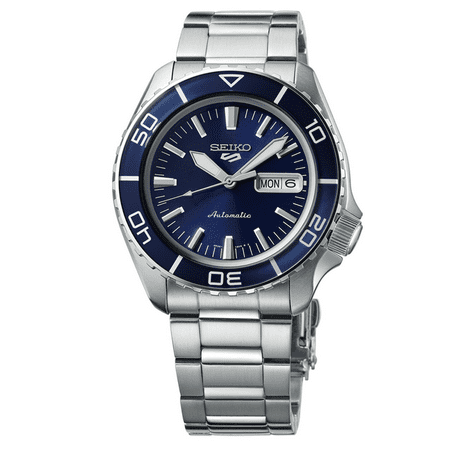


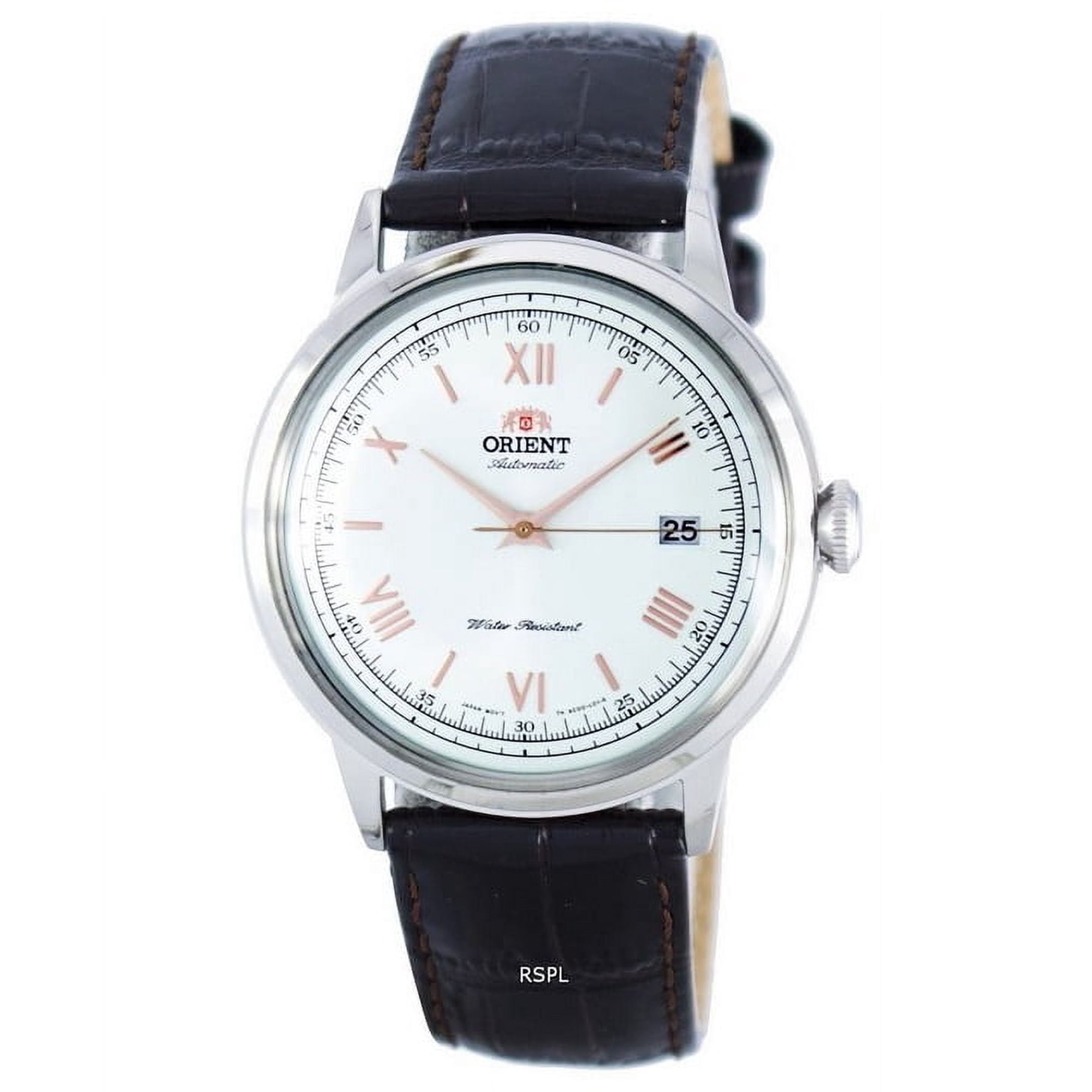

Prices and availability are accurate as of the date/time indicated and are subject to change.
Frequently asked questions about the Orient Kamasu
How accurate and reliable is the Orient F6922 movement in everyday use?
The documented accuracy figures are not fully consistent: one source gives ±15 seconds per day, while another lists -15/+25 seconds per day. Treat those as published targets rather than a guarantee for every watch. The F6922 is an automatic movement with hacking, hand-winding, quick-set day and date, and an approximately 40-hour power reserve, making it practical for daily use. Individual regulation and wear conditions will affect results.
Does the Orient Kamasu include a sapphire crystal and genuine 200m water resistance?
Yes. The Kamasu is documented with a sapphire crystal and a 200-meter water-resistance rating. It also has a screw-down crown, screw-down case back, and a 120-click unidirectional bezel. Those specifications support its diver-oriented design, but a water-resistance rating is not the same as documented ISO 6425 certification. Check the specific reference and its condition before relying on any watch for serious water activity.
How does the Kamasu compare with Seiko alternatives in lume and resale value?
The Kamasu’s lume is described as abundant and usable, but one review considers it inferior to Seiko’s LumiBrite. The available evidence also suggests choosing the Kamasu for maximum value per dollar rather than for the Seiko name or strongest resale value. Specific resale performance depends on condition, reference, and market demand, so buyers should compare current completed-sale prices rather than assume an outcome.
Is the bracelet and clasp good enough for regular wear, or should buyers plan an upgrade?
The stainless-steel bracelet is described as sturdy, but sources identify its stamped or hollow end links and stamped clasp as cost-saving compromises. It has room for micro-adjustment, although there is no wetsuit extension, and links use push pins. That makes it serviceable for regular everyday wear, while an aftermarket bracelet or strap may be worthwhile for buyers who prioritize a more substantial clasp and tighter bracelet fit.
What are the exact case dimensions, and how might the watch wear on different wrist sizes?
The commonly documented dimensions are approximately 41.8mm in diameter, 12.8mm thick, and 22mm between the lugs; one source reports a 46.8mm lug-to-lug measurement. Another source gives 41.88mm, so minor variation is reported. These proportions give the Kamasu a noticeable modern dive-watch presence. Smaller-wrist buyers should pay particular attention to the lug-to-lug length and thickness, not diameter alone.
Final verdict: Who should buy the Orient Kamasu?

For a value-focused buyer, the Orient Kamasu makes the strongest case with its sapphire crystal and 200-meter water resistance. Those specifications provide a solid hardware foundation for ownership, even if brand prestige and resale value are not the priorities.
Its F6922 movement also adds practical functionality: hacking stops the seconds hand for more precise setting, while hand-winding lets you restart the watch or add power through the crown. These are modest features, but they make the Kamasu more complete and convenient in everyday use.
There are clear reasons to look elsewhere. Buyers who want the strongest lume, a more refined bracelet and clasp, Seiko brand recognition, or stronger resale prospects should approach the Kamasu cautiously. Reports describe its lume as usable but inferior to Seiko’s Lumibrite, while the stamped or hollow bracelet and end-link construction is a likely weak point. The Seiko name and best resale value are also specifically identified as reasons to skip it.
The measured verdict is straightforward: the Kamasu’s strongest case is its watch head and F6922 movement, while the bracelet and reported lume gap define its main compromises.


.jpg)

.jpg)